For many customers, the idea of “going out” has changed. Rising prices, fixed menus and inflated drinks costs mean that eating out can feel more stressful than special. Celebrations that used to feel special, like Valentine’s Day, now just feel rushed and overpriced.
So, more folks are choosing to stay in. It’s not about settling or doing less; they still want food that feels like a treat, something a little indulgent, something to look forward to. They just want the experience on their own terms, without all the hassle. That’s where fish and chip shops come in. This shift isn’t a problem; it’s a chance to make takeaway the go-to way to celebrate, not just a backup plan.
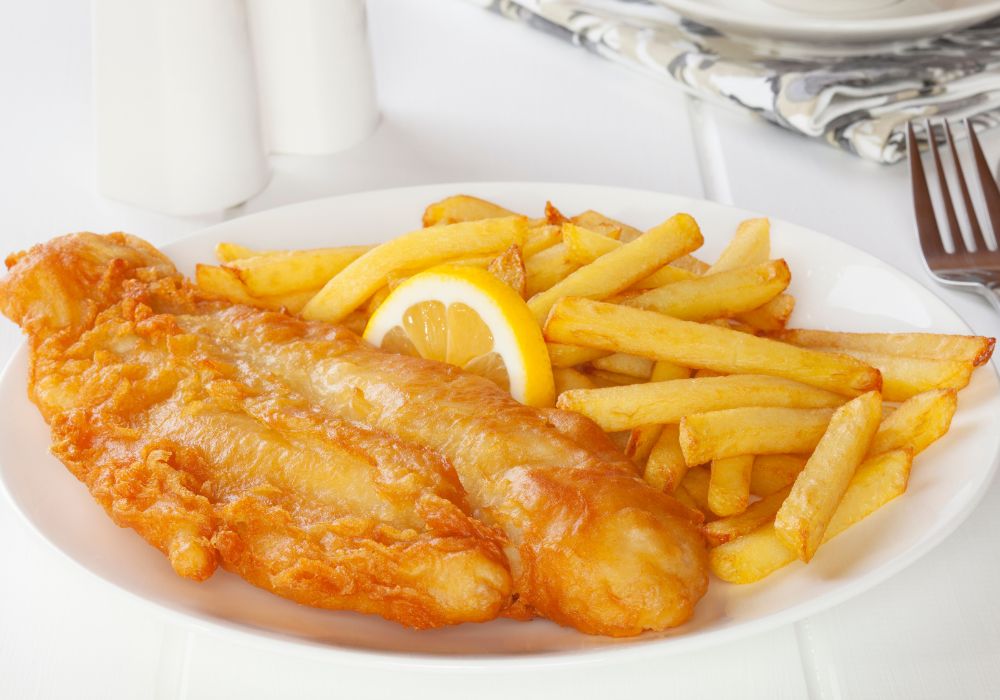
Fish and chips have always been about comfort and anticipation. When it’s good, it hits all the right notes: warm, satisfying, a little bit of a splurge. Lately, it’s also becoming the smart alternative to expensive restaurant dining, offering quality, value and convenience without compromising on experience. A well-executed fish and chip meal at home can feel every bit as special as a restaurant experience, while offering better value and a more enjoyable atmosphere.
What does this staying-in trend really mean for fish and chip shops?
Well, it’s not that people care less about food. If anything, they care more about the whole experience. Couples want to eat at home, on their own schedule, without feeling rushed. Families want food that’s generous and familiar. And on special nights like Valentine’s Day, people want something that feels thoughtful and easy to share.
For the modern fish and chip shop takeaway, this changes the meaning of value. Customers aren’t just buying a meal, they’re buying a moment. That means things like reliability, portion size, presentation, and how well the food travels matter more than ever.
Fish and chips really fit the bill here. It’s familiar, comforting, and perfect for sharing. When you nail the basics every time, it delivers that indulgent, restaurant-like feeling, usually at a better price and with a whole lot less stress.
Valentine’s Fish and Chips Ideas That Increase Spend
Valentine’s Day does not require complex menus or heavy discounting. In fact, simplicity is often more effective. Clear, well-structured offers help customers make decisions quickly while naturally increasing average order value.
Practical, low-friction ideas that work well for fish and chip shops include:
- Create a ‘Chippy for Two’ Bundle: Pair two portions of premium fish with one large portion of chips to share. Bundles encourage customers to trade up without feeling upsold.
- Add Shared Sides: Including two sides, such as mushy peas, curry sauce, or gravy, makes meals feel more complete and encourages add-on purchases.
- Offer Optional Indulgent Extras: Scampi, battered halloumi or chicken bites work well for mixed tastes and are easy additions at checkout.
- Introduce a Simple Dessert Option: Brownies or doughnuts add a sense of occasion without slowing service or complicating kitchen flow.
- Use Clear Sharing Cues: Messaging such as “Perfect for Sharing” or “Ideal for Two” helps customers instantly understand the offer and its value.
- Reward Higher Spend With a Small Gift: A complimentary box of chocolates on orders over a set value creates a premium ‘treat’ moment and encourages customers to consolidate their order.
These ideas align closely with how customers already order on Valentine’s night: fewer decisions, fewer compromises, and more emphasis on sharing and value.
Quality First: Why Consistency Matters More Than Ever
When customers choose to stay in for a special occasion, expectations are higher. This is particularly true for Valentine’s fish and chips, where food is often shared and enjoyed more slowly. Customers notice portion size, batter texture, chip colour and overall eating experience far more than they might on a standard midweek order.
Consistency is therefore essential. Crisp batter, well-cooked chips and clean flavour are not optional extras; they are the baseline.
Strong kitchen systems play a vital role here. Clear processes around food hygiene, temperature control and oil maintenance help teams deliver the same standard portion after portion, even during busy services. Frymax’s guidance on the Essentials of Food Hygiene and Health and Safety in Commercial Kitchens supports shops in maintaining these standards when pressure is highest.
Frying oil, in particular, has a direct impact on how food tastes, looks and feels. Clean, stable oil produces batter that stays crisp, chips that colour evenly, and food that feels lighter and more enjoyable to eat.
Why Fish and Chip Shops Choose Frymax Frying Oil
The most successful Valentine’s chippy offers understand that staying in is no longer a compromise. It is often the preferred option. Rather than trying to replicate restaurant dining, these shops focus on what fish and chips does best: comfort, familiarity and dependable quality.
Frymax frying oil has been trusted by fish and chip shops across the UK for generations because it delivers consistency under pressure. Designed to perform during busy services, Frymax helps shops produce food that tastes clean, smells fresh and holds its quality from the first portion to the last.
Reliable oil also supports better oil management, helping reduce breakdown, maintain performance and simplify routines during peak trading periods. Frymax’s guidance on The Importance of Cooking Oil Management highlights how good oil care directly supports consistent results.
As more customers choose staying in over going out, moments like fish and chips valentine occasions will continue to grow in importance. Fish and chip shops that focus on quality, consistency and value will be the ones customers return to, not just on Valentine’s Day, but throughout the year.
To find out how Frymax can support your shop with reliable frying oil and practical frying guidance, get in touch with the Frymax team. Your success is our success.