Long queues are one of the quickest ways to drive customers away in the fish and chip trade. Visitors on lunch breaks or busy evenings expect efficient, organised service, even at peak times. That doesn’t mean compromising on quality. Customers still want fresh fish, crisp batter, properly cooked chips and friendly staff. The challenge is to meet those standards without slowing down service.
A well-run shop creates confidence. Organised service plays a big part in building trust, Frymax explains in our guide on why customers pay for quality fish and chips.
Why Customer Flow Management Matters In A Chip Shop
A busy shop is generally a good thing, but bad organisation can quickly turn that into a problem. Long waits put pressure on staff, cause mistakes and can hurt your reputation if customers leave unhappy too often. Good customer flow management helps to:
- Reduce pressure on staff and minimise mistakes during busy service
- Improve the overall atmosphere inside the shop
- Prevents customers from leaving due to long or confusing queues
- Create a smoother experience from the moment somebody walks through the door
- Keep service moving steadily without sacrificing food quality
- Support safer working conditions in fast-paced kitchens
Understandably, many operators focus heavily on the food itself, but the customer journey begins long before the first bite. It starts with someone coming through the door, lining up, looking at the menu or waiting to order. Frymax’s health and safety guide for commercial kitchens highlights the importance of maintaining organised systems in busy kitchens.
Understanding Your Busiest Periods
One of the simplest ways of improving service is to have a good grasp of your busiest trading times. Fish and chip shops operate in distinct patterns. There are predictable spikes in demand at certain times, like Friday evenings, school holidays, local events and lunchtime rushes.
Begin by monitoring customer numbers throughout the week. Even simple observations can show useful trends:
- Which days create the longest queues?
- What time does the rush usually begin?
- Which menu items slow the kitchen down?
- When do online collection orders peak?
Once patterns become clear, you can prepare more effectively by adjusting staffing or separating collection orders from walk-in customers. Customers are also more patient when the queue moves steadily, especially as the average wait time for fast food often feels longer without clear communication from staff.
How To Design Your Shop Layout To Reduce Chip Shop Queues
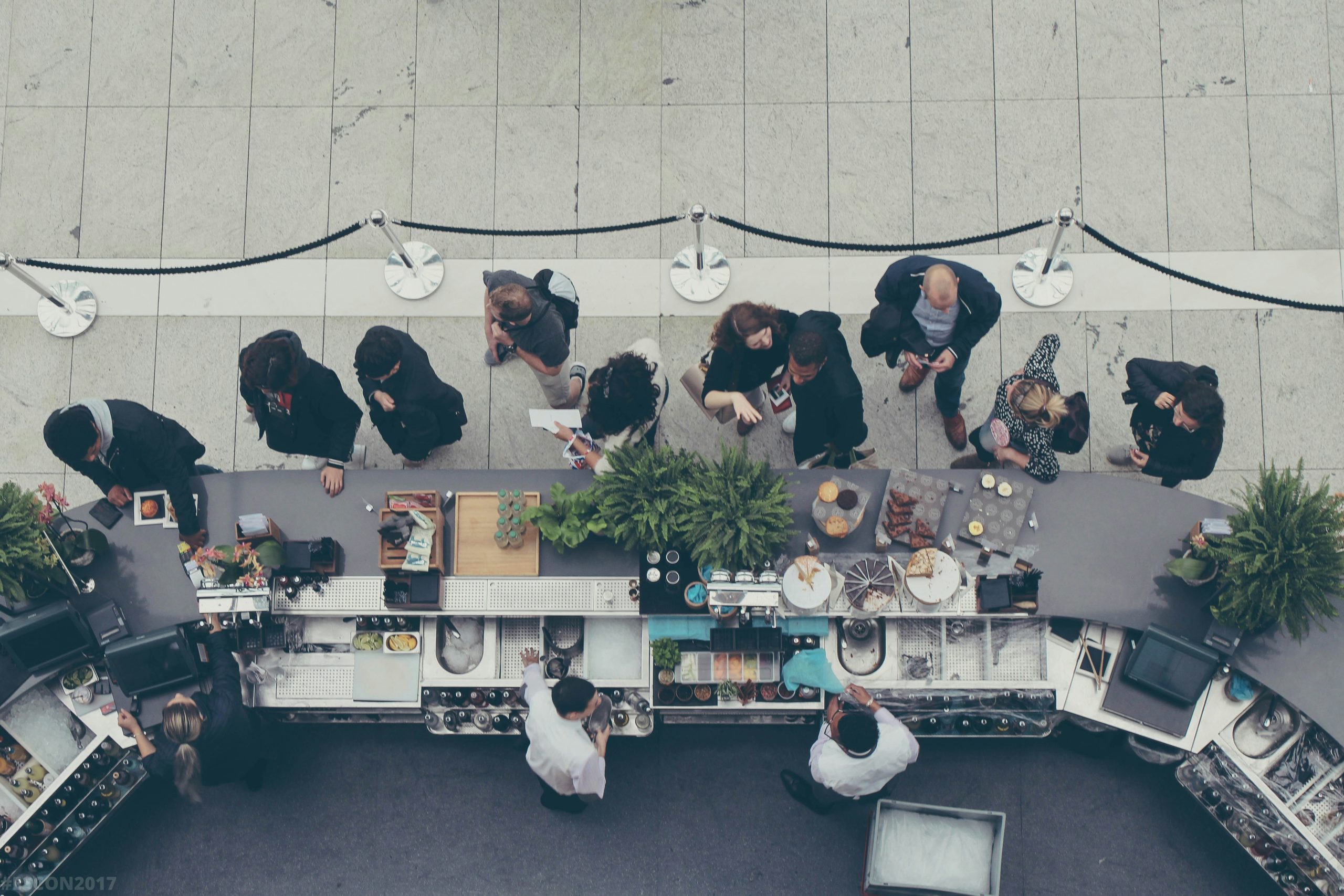
Your shop’s physical layout has a huge impact on service speed. In many chip shops, queues naturally form around the counter without much structure. During busy periods, this can quickly become cramped and confusing when delivery drivers, collection customers, and walk-ins are all competing for space.
A clear layout helps customers understand where to stand, where to order, and where to wait. Some of the most effective ways to improve flow include:
Create a Clear Entrance and Exit
Customers should immediately understand how to move through the shop. Separate entrances and exits reduce congestion and stop customers from crossing paths unnecessarily.
Separate Ordering and Collection Points
Where possible, give click-and-collect or delivery app customers their own collection area. This helps prevent walk-in queues from slowing down.
Keep Menus Visible Before Customers Reach the Counter
Large, easy-to-read menus help customers decide what they want before they order, reducing delays at tills.
Use Signage to Direct Customers
Simple signs for collections, delivery drivers, and queue directions reduce confusion during peak periods.
Avoid Bottlenecks Around Tills
Busy areas near payment points can quickly become overcrowded. Keeping these spaces clear improves movement and reduces stress for both staff and customers.
Visibility also matters. Open frying ranges, visible prep stations, and organised counters reassure customers that orders are moving. Some shops now introduce a basic customer flow management system using numbered tickets or digital collection screens during busy takeaway periods.
If queues regularly extend outside, lighting, shelter, and clear signage can help make the experience feel more organised and professional.
Ordering Systems That Speed Up Service
Ordering delays are one of the biggest causes of slow-moving queues, especially when customers are unsure what they want. Clear menus, visible pricing, and simple ordering systems help speed things up, while online ordering and Click & Collect can reduce pressure during busy periods when fast food wait times tend to increase.
Digital ordering systems are increasingly common, but technology is only as good as the processes that support it. For example:
- Collection orders should have a dedicated pickup point
- Online preparation times should be realistic
- Menus should stay simple and easy to navigate
When staff are given clear roles during busy periods, this also helps the service move along and reduces confusion in the queue movement.
Strong communication is just as important. Customers don’t get annoyed when they have to wait an extra few minutes; they get annoyed when they feel ignored.
During busy times, the team behind the counter should be visible, calm and approachable. Frymax’s customer service tips guide shows how small interactions can make a lasting impression on customers.
How To Manage Customer Expectations During Peak Times
No fish and chip shop can eliminate queues, especially during Friday evenings or seasonal rushes. The key is managing expectations properly. When customers know what is going on, generally, they are much more understanding.
Clear communication instantly lowers frustration. If you anticipate longer than usual waiting times, say so early. Simple steps can improve the experience significantly:
- Display estimated waiting times
- Explain delays when fresh batches are cooking
- Keep online collection updates accurate
- Acknowledge customers waiting in the queue
- Thank people for their patience
Atmosphere matters too. Clean counters, well-organised staff and steady movement reassure customers that the shop is under control. Customers are also judging waiting times differently when food meets expectations. The wait is worth it for the freshly cooked fish, crisp chips and reliable quality.
Operational fundamentals matter here. Frymax discusses how better operational decisions can improve profitability and customer experience in a guide on menu management. Ultimately, people return to shops they trust.
Keep Service Moving Without Losing Quality
Good preparation, organised staff, clear ordering systems and good communication all help to ease pressure at busy times. If you can keep the traffic moving through your shop and maintain consistently high food quality, you create the sort of experience that makes people keep coming back.
Improving customer flow does not always require major investment or complicated systems. In many cases, small operational changes deliver the biggest results.
If you want support improving consistency, food quality, and operational performance in your shop, contact Frymax today to speak with the team.