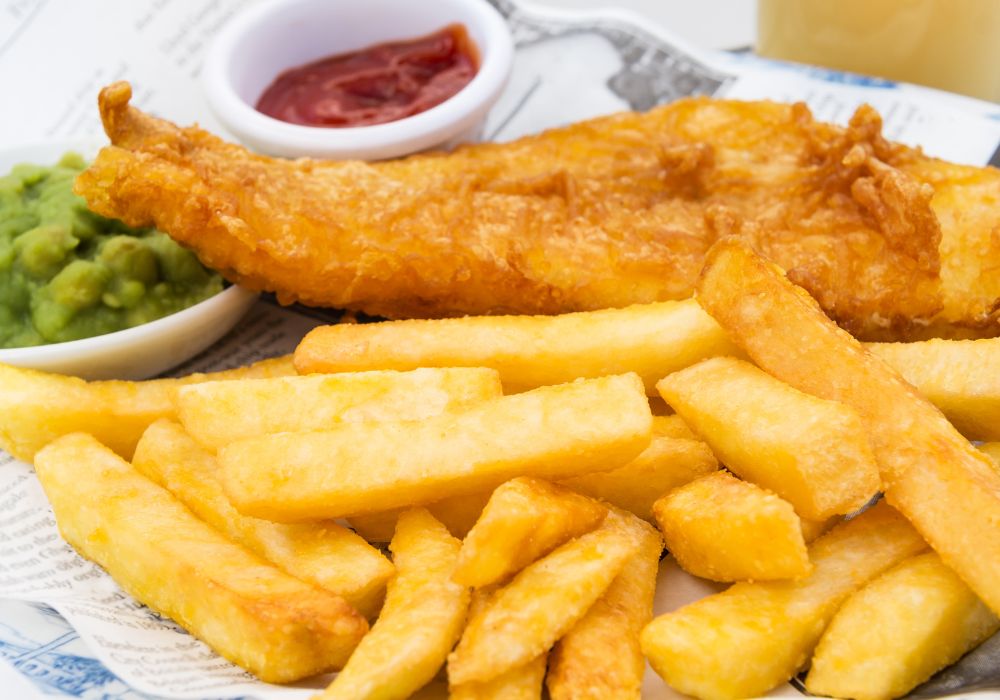
For many years, solid frying fat has been the traditional choice in fish and chip shops and is still trusted by many operators today for its frying performance.
However, as kitchens evolve and the way we work changes, liquid frying oils are becoming more common across the industry.
At Frymax, we work closely with fish and chip shops across the UK and know that every shop works slightly differently. Both solid and liquid frying oils can produce excellent results when used and managed correctly, and the right choice will often depend on how a kitchen operates day to day.
Understanding the practical differences between the two can help operators decide what works best for their shop.
Handling and Storage
One of the biggest differences between solid and liquid oil is simply how it’s handled.
Solid frying fat normally arrives in blocks which need breaking up and melting before going into the pan. For many shops that’s just part of the routine and something staff are used to doing.
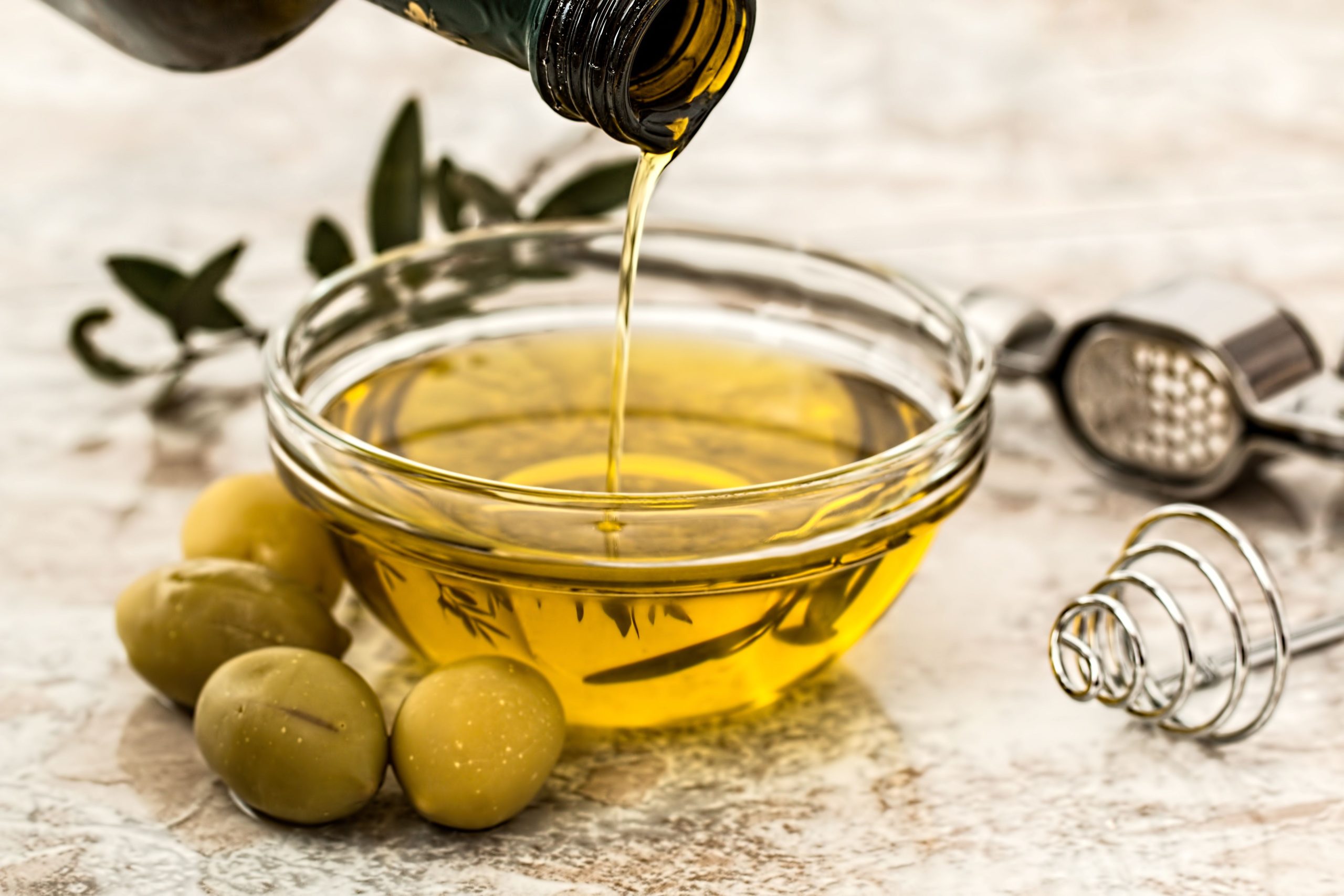
Liquid oil can be poured straight into the fryer, which can make topping up pans quicker and easier, especially during busy service.
For some operators, this can also make storage and handling a little simpler.
Consistency in the Fryer
Consistency is one of the most important parts of running a successful fish and chip shop. Customers expect the same quality every time they visit.
Both solid and liquid frying oils can deliver great results when they are managed properly. Maintaining the correct frying temperatures, filtering regularly and keeping the oil clean are all key to achieving consistent frying performance.
With good oil management in place, operators should be able to maintain crisp batter, golden chips and consistent quality throughout service.
Efficiency During Busy Periods
Fish and chip shops can be very busy places, particularly at peak times.
Liquid oils can offer a practical advantage when it comes to topping up pans quickly during service. Being able to pour oil directly into the fryer can make the process quicker compared to melting additional blocks of fat.
In larger kitchens or shops running multiple pans, this can help keep things running smoothly during busy periods.
Sustainability
Sustainability is becoming a bigger topic across the food industry, and it is something many customers are increasingly aware of.
Products such as Frymax Liquid Oil combine high oleic rapeseed oil with sustainably sourced palm oil, helping operators achieve strong frying performance while also supporting responsible sourcing.
Looking at Cost the Right Way
When comparing frying oils, it can be tempting to focus purely on the purchase price. However, experienced operators know that the real measure of value is cost per fry.
Oil life, filtration routines, correct frying temperatures and good kitchen discipline all play a big part in how long oil lasts and how well it performs.
Looking after the oil properly will always help operators get the best value from it.
Finding What Works Best
Both solid and liquid frying oils have their place in the fish and chip industry. The right choice will depend on the equipment being used, the way the kitchen runs and personal preference.
What matters most is choosing a quality frying oil and managing it properly to maintain the high standards customers expect.
If you would like to try Frymax Solid or Frymax Liquid Oil in your shop, why not request a visit from one of the Frymax Ambassadors who can offer advice, support and practical demonstrations.
After all, when the oil is right and the fryer is running well, everything else tends to fall into place.