The fish and chip trade has always been built on tradition, quality fish, properly cooked chips, and standards we can stand by. But tradition has never meant standing still.
With ongoing volatility in cod and haddock prices, tighter quotas and rising operating costs, many operators are asking a very real question: how do we protect footfall, margins and value without losing sight of who we are?
One of the most sensible answers is chicken, not as a replacement, but as a fresh, affordable fish and chips alternative that complements a traditional menu.
Why More Chip Shops Are Adding Chicken
Fish remains the hero of the menu, but it is also the most unpredictable. Its costs can vary rapidly with little warning, making it difficult to plan pricing and promotions with confidence.
Chicken offers something fish currently struggles to do: price stability. While fish prices can fluctuate dramatically, chicken allows operators to introduce menu items with predictable margins and controlled portion costs.
Operators can produce menu items with more consistent profits and portion pricing thanks to this steadiness. That stability matters, particularly for families, lunchtime trade, non-fish eaters and customers who are watching the spend but still want a quality takeaway. When done properly, chicken doesn’t dilute the offer; it simply widens the net.
Importantly, adding chicken does not mean weakening the uniqueness of the shop. When handled effectively, it reinforces the offer by keeping more individuals coming through the door, more often.
Standards Matter More Than the Protein
The biggest mistake shops make with chicken is treating it as a bolt-on or a cheap filler. If we’re proud of our fish, we should be just as proud of our chicken.
That means using good-quality cuts or whole-muscle products, proper seasoning and preparation, and cooking them with the same care and discipline we apply to fish. Customers will forgive a higher price when quality is obvious, but they won’t forgive corners being cut.
Maintaining these standards is also linked closely to food safety and worker discipline. Clear protocols, sufficient training and good hygiene measures are vital, particularly in busy kitchens processing multiple proteins. Fryers expanding their menus should routinely evaluate key practices to guarantee quality and compliance are maintained as operations develop.
One of the biggest concerns with introducing chicken is treating it as an afterthought. Customers are quick to recognise when something feels cheap or badly constructed, especially in shops that pride themselves on quality seafood.
Menu Development Without Losing Identity
A good chicken range shouldn’t compete with fish; it should support it.
Options such as southern-style fillets, wings, lightly spiced or buttermilk strips, panko-crumbed chicken bites or quality chicken burgers all sit comfortably alongside fish and chips. They fry efficiently, hold well and allow operators to introduce meal deals, kids ’options and entry-level price points that help drive repeat visits and boost average spend.
Put simply, chicken can be a dependable part of the menu that supports fish rather than competing with it, helping keep customers coming through the door on days when fish prices make decisions harder.
Can You Fry Chicken and Fish in the Same Oil?
A common question fryers ask is: Can You Fry Chicken and Fish in the Same Oil?
The answer is yes, but with careful management. Introducing chicken places a greater demand on frying oil. Proteins, crumbs and coatings increase stress in the fryer, particularly in busy mixed-menu operations, which makes oil choice critical. As menus vary, having an oil that can cope with diverse proteins lowers the need for regular adjustment and minimises the danger of quality slipping under pressure.
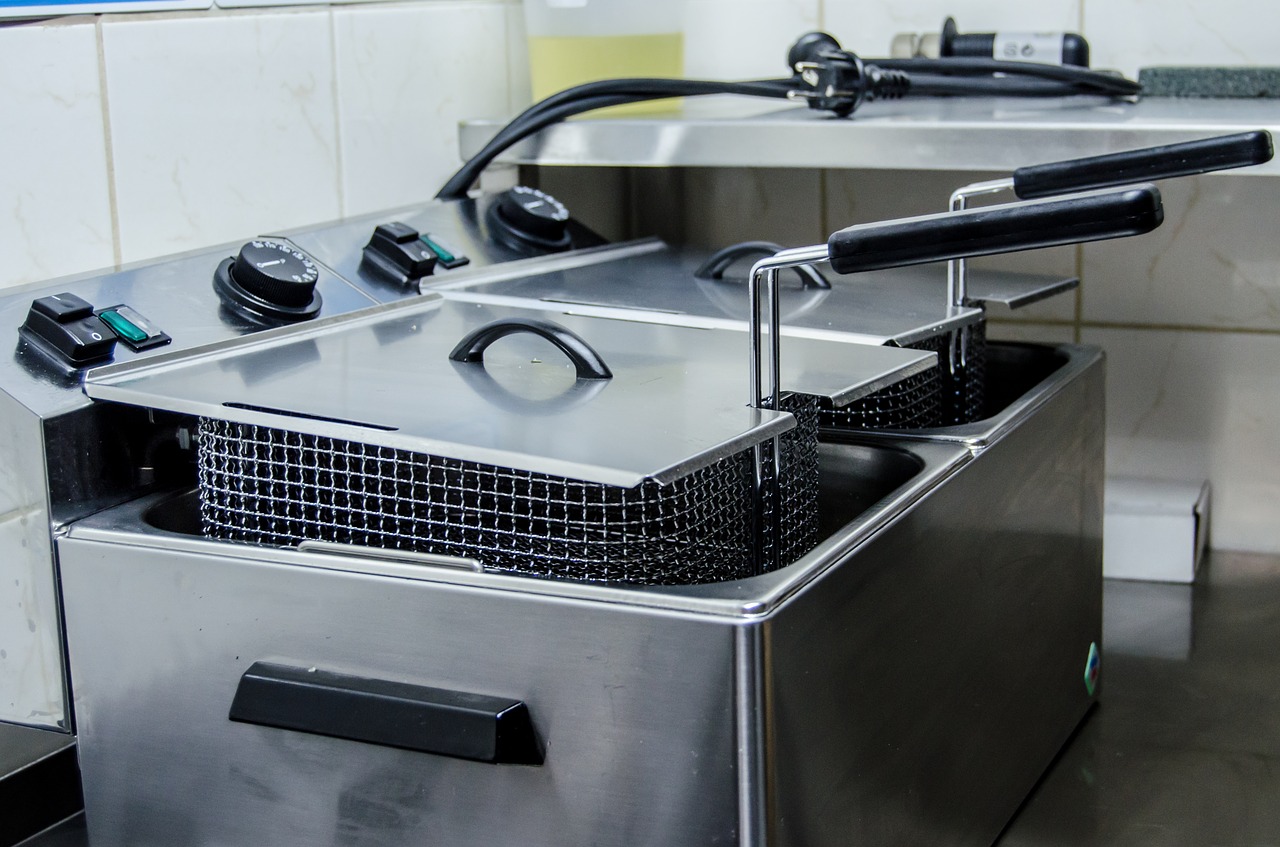
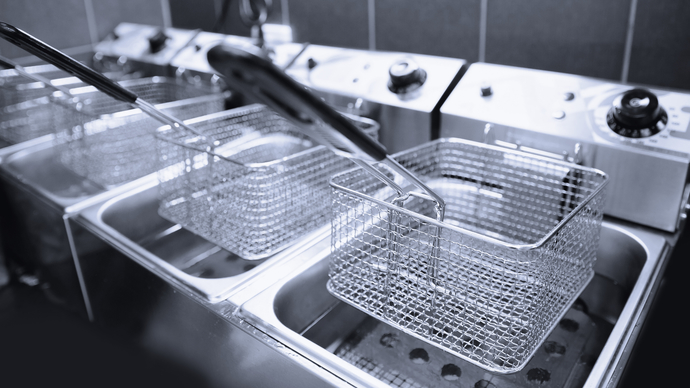
When space permits, many stores decide to separate their fryers, especially if they sell breaded or heavily coated poultry goods. Others effectively run mixed fryers by keeping stringent oil management routines, frequent filtering and controlled cleaning schedules.
A high-performance oil such as Frymax allows operators to maintain oil stability, preserve a neutral flavour across both fish and chicken, extend usable oil life and reduce waste. When menus expand, consistency becomes even more important, from the first fry to the last.
Tradition Is About Standards, Not Standing Still
The most successful fish and chip shops recognise that tradition is not about refusing to evolve. It’s about doing things properly, protecting quality, and managing a company that can adapt to change.
Expanding the menu with fish and chips alternatives becomes an opportunity rather than a risk with the correct oil, procedures, and attitude. Offering great chicken alongside great fish allows operators to protect margins, maintain footfall and continue delivering the food customers love, without losing sight of what defines a proper fish and chip shop.
And when the pressure is on, having the right menu choices, backed by the right oil, helps ensure everything stays Frymaxed, not fried.
Visit Frymax and view the entire selection of frying oils made for busy, mixed-menu operations. If you want specialised guidance on oil selection, menu adjustments or oil management.
Contact the Frymax team to support your next move forward.