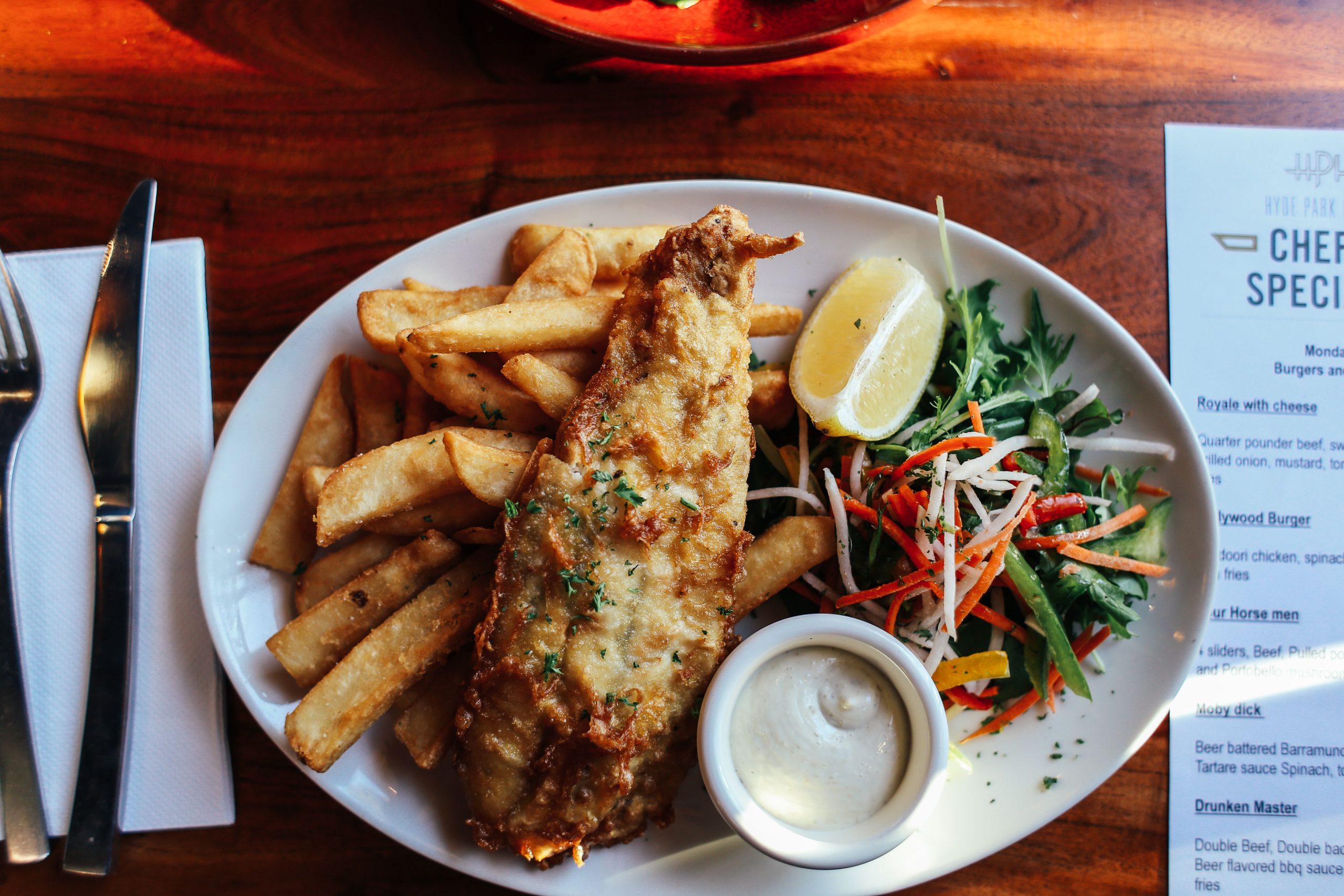
Cod has been the traditional fish and chip choice in the UK for decades, but changing consumer demand, sustainability considerations, and fluctuating supply have encouraged many fish and chip shops to consider alternative species. One option that has been steadily getting more popular is hake.
Both fish have a lot to offer, and there is no single right answer for every shop. Your customers, your menu, your suppliers, and the style of fish and chips you want to serve will all affect which is the best option for you. Frymax takes a closer look at the hake vs. cod debate, comparing flavour, texture, nutrition, cost, and frying performance to help you determine which fish is best for your business.
What Is the Main Difference Between Hake and Cod?
At first glance, hake and cod look remarkably alike. Both are white fish with mild flavours and flaky flesh, making them perfect candidates for deep frying, but they have some unique features.
The biggest difference between cod and hake is the texture. Cod has a larger, firmer flake that holds together particularly well when cooked. That gives it the chunky, satisfying bite that many associate with traditional fish and chips.
On the other hand, hake offers a softer, finer flake. It’s a little more delicate and tender, so it’s a lighter eating experience, which a lot of our customers enjoy. It still fries beautifully but needs to be handled more gently in preparation and cooking to keep its shape.
The taste is different as well. Cod is clean and mild, with a hint of savoury, while hake is delicate rather than rich and has a slightly sweeter taste. Neither fish is especially “fishy”, so both are attractive to a wide customer base.
Availability may also influence your decision. Cod remains one of the best-known fish species in the UK, but hake is increasingly available with improving stocks around UK and European waters.
Hake vs Cod: Comparison Table for Fish and Chips

Does Hake Taste Like Cod? Texture and Flavour Profiles Compared
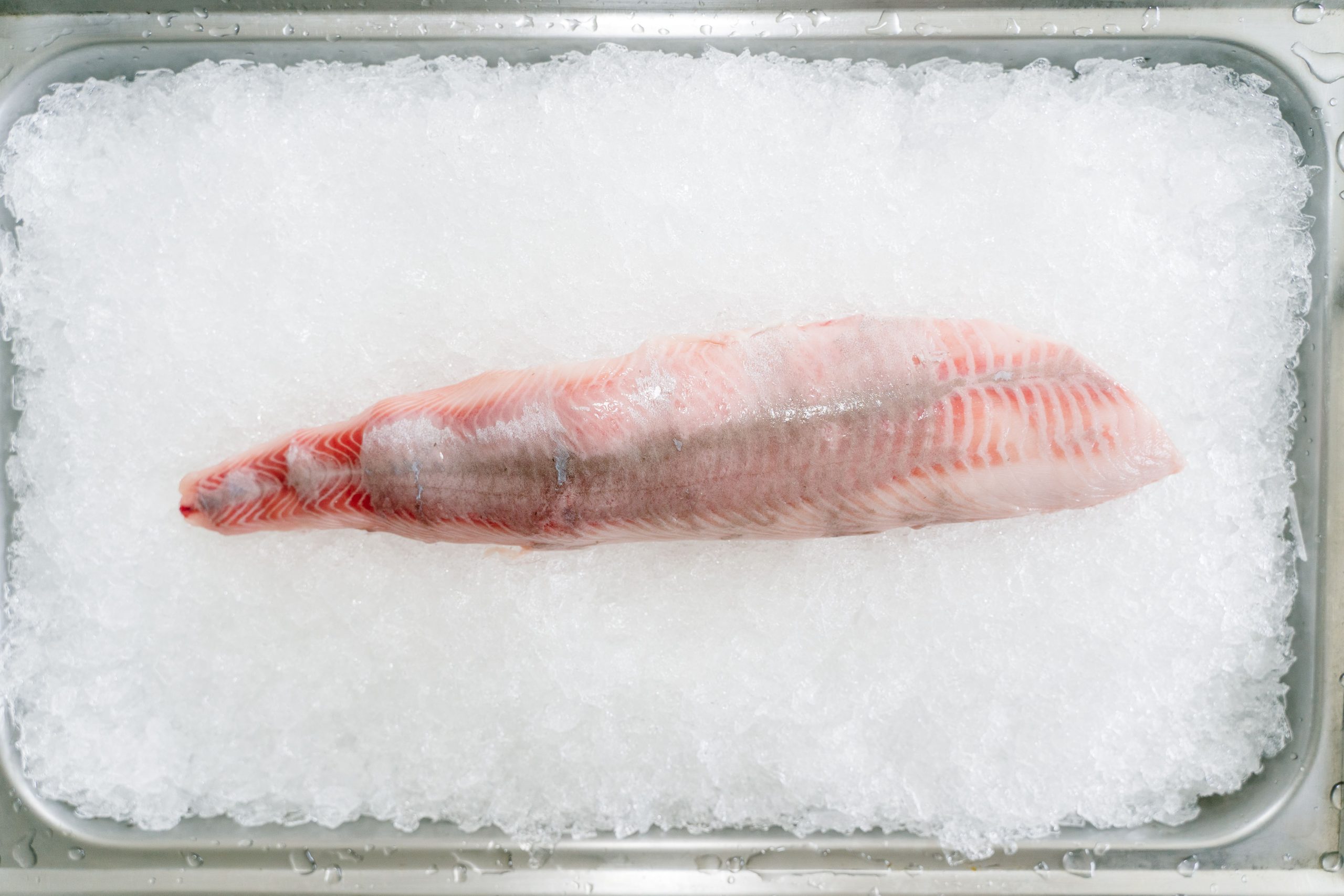
The answer is both yes and no, though. Both species have delicate flavours that work well with a light batter, so the quality of the fish can be appreciated without overwhelming the taste buds. Cod bites are firmer with big flakes that break apart cleanly when fried. The texture makes it a forgiving choice for busy fish and chip shops, holding up well to high-temperature cooking.
Hake has a softer, more delicate texture that almost melts in the mouth when cooked properly. Its delicate sweetness works well with light, crisp batter and traditional accompaniments, such as chips, mushy peas and tartare sauce.
Hake cooks quickly, so you have to be careful not to overcook it. Overcooking can make it mushy, or it can fall apart. If you use fresh fish and fry it at a steady temperature, not holding it for very long, the texture is excellent.
Both fish are ultimately fun to eat, but they have different styles. “Cod will tend to be the more traditional, chunky portion that customers might gravitate towards, while hake is often appreciated as a lighter alternative.
Hake vs. Cod Nutrition: Which Is Better For Your Customers?
Both are excellent nutritional options for customers seeking lean, quality protein. When comparing hake vs. cod nutrition, there are only slight differences between the two. Both offer:
- High-quality lean protein
- Omega-3 fatty acids
- Vitamin B12
- Selenium
- Phosphorus
- Naturally low levels of saturated fat
Hake is generally lower in calories and fat than cod, which makes it a popular choice with customers looking for lighter options.
Cod, on the other hand, has a few more calories but is still a healthy white fish. The firmer flesh can also add to the feeling of a more substantial portion without a dramatic increase in calories.
In the eyes of a fish and chip shop, both are well within a balanced diet when cooked properly, with quality frying oil at the right temperature. Choosing the right fish is just as important as good frying practices. Keeping the equipment clean, changing the oil regularly, and not overheating it, all help to produce fish that tastes fresh and doesn’t go greasy. Frymax – Why It Is Important to Clean Kitchen Equipment looks at the impact of preparation standards on the quality of the food and performance of frying oil.
Hake vs. Cod Price: Is Hake a More Cost-Effective Alternative?
But for many shop owners, buying decisions are not just about taste. The comparison of hake vs. cod prices has become more relevant with the fluctuations in seafood markets. The consistent strong demand and variable supply have historically resulted in a higher price for cod. Wholesale prices can fluctuate a lot during the year, depending on what is in season and where the seafood comes from.
Hake has generally been one of the more affordable premium white fish species. As stocks recover and supply improves, it is becoming an increasingly attractive option for businesses looking to balance quality with food costs.
The price should never be the only deciding factor, of course. Customers come back because they like the eating experience. If a lower-cost fish does not meet your customers’ quality expectations, any initial savings on cost could be quickly lost with a loss of repeat business.
Many successful shops now offer a choice so customers can enjoy either traditional cod or hake depending on availability and personal preference.
Cod vs. Hake for Fish and Chips: Which Performs Better in the Fryer?
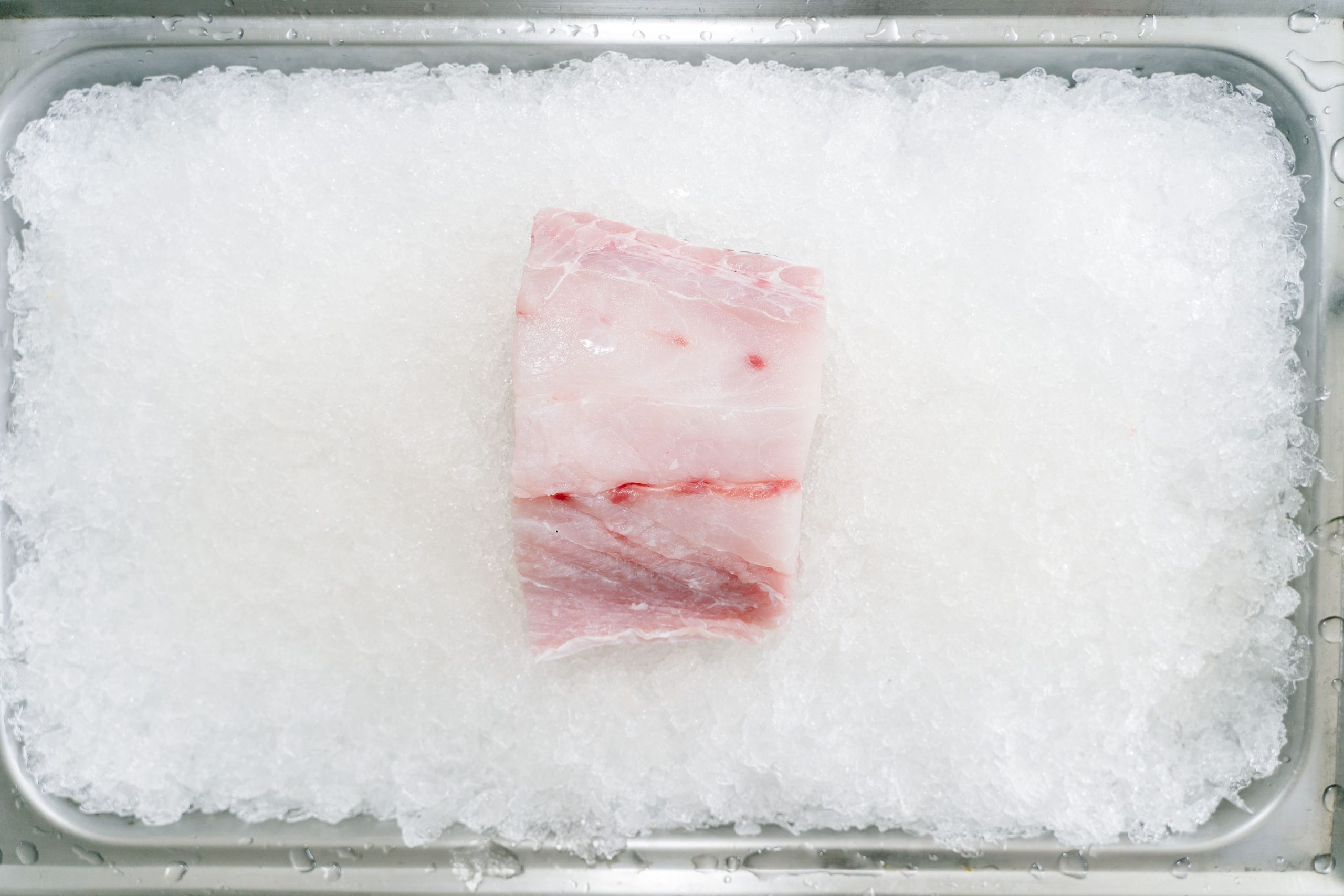
The taste is important when choosing between cod and hake for fish and chips, but so is the way it fries. Cod’s firm flesh makes it particularly forgiving on service. It handles well and holds its shape in batter and produces the large flakes that many customers associate with good fish and chips. Hake is a little more fussy but rewards good technique with remarkably moist, tender results. Both fish are good for:
- Fresh, well-prepared fillets
- Consistent portion sizes
- Accurate frying temperatures
- Clean frying equipment
- High-quality frying oil
It is also important to prepare properly before frying. The sharper the knife, the cleaner the cut, with less waste, and hygienic prep areas help preserve freshness and consistency. Good refrigeration also means fish comes to the fryer in prime condition. But perhaps the biggest influence on the final product is the frying medium itself. For more information, have a look at Frymax’s guide to the Best Fish for Fish and Chips.
Frying Tips: Choosing The Best Oil For Deep-Frying Hake And Cod
Whether you opt for hake or cod, the quality of the oil you fry it in goes a long way to the end result. Premium frying oils with high smoke points help produce the crisp, golden batter customers expect while allowing the delicate flavour of the fish to shine through and be the star of the plate.
Frymax’s sustainably sourced RSPO-certified palm oil has been the choice of generations of fish and chip shops, trusted to deliver consistent performance in the tough environment of commercial frying. It has the following benefits:
- Excellent heat stability
- A neutral flavour that complements the fish
- Crisp, golden batter
- Long-lasting frying performance
- Consistent cooking across busy service periods
It is also important to note that good management will lead to good oil quality. Regular filtering, careful temperature control, and clean fryers all help to extend oil life while maintaining food quality throughout the day. With the right frying oil and careful preparation and quality ingredients, hake and cod can give their absolute best.
Choosing The Right Fish For Your Shop
There’s no right or wrong in the great hake/cod debate, as every fish and chip shop has its own clientele. Cod is still the traditional favourite, with its firm texture, familiar flavour and classic appeal.
Hake is a great alternative, with a delicate sweetness, tender flakes, and often more competitive pricing. It is also a more sustainable option from well-managed fisheries, making it a good choice for businesses looking to expand their menu without sacrificing quality. At the end of the day, the best fish is the one that will keep your customers coming back and fits your buying strategy and cooking style.
Contact us to get even more tips on how to choose fish, improve your frying results, or choose the perfect frying oil for your business, and discuss your needs with the Frymax team today.