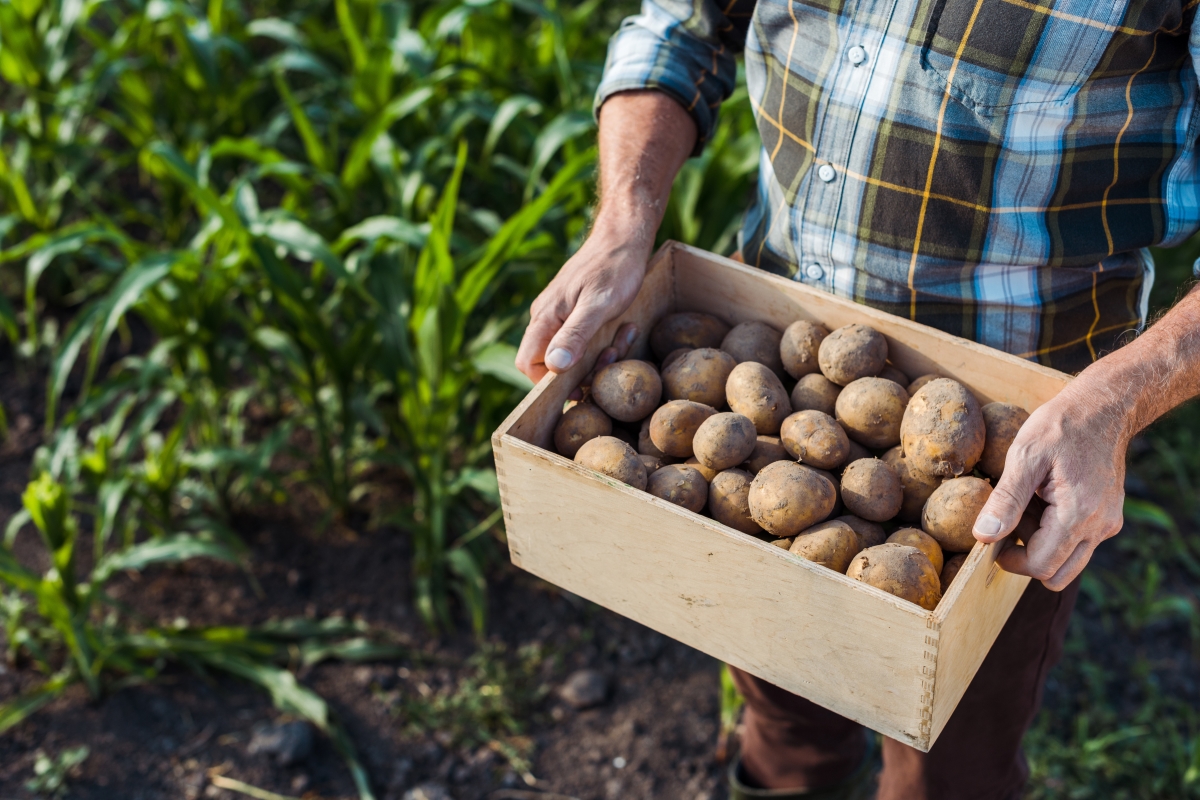
As the seasons turn and we move from old crop to new season potatoes, fish and chip shops across the country brace for a subtle but crucial change with this staple ingredient. While customers may not notice the difference on their plate, chip shop operators know all too well the challenges new potatoes can bring — especially when it comes to sugar and starch content, and how that affects our frying medium.
The Problem with New Season Potatoes
New season potatoes, fresh out of the ground and not yet fully matured, have a higher sugar content and a different starch profile compared to their older counterparts. These sugars can cause your chips to brown too quickly — or even burn — before they’re properly cooked. Worse still, excess sugars and free starch can degrade your frying medium at an alarming rate, leading to:
- Shorter oil life and higher turnover costs
- Off-flavours and inconsistent chip quality
Given the rising cost of oil, this is a challenge we simply can’t afford to ignore.
Tips to Tame the Transition
Here are a few practical tips to help ease the shift and protect the integrity of your frying medium:
1. Test Sugar Levels Regularly
Use a potato sugar test kit (Diastix – Urine glucose test strips) to keep tabs on sugar content. Aim for varieties with lower reducing sugars during the transition period – No more than 0.25% when using Diastix.
2. Store Correctly
If you receive new season spuds, store them in a cool, not cold (ideally 7–10°C), dark, and well-ventilated space. Avoid fridge temperatures — cold storage increases sugar conversion, making things worse.
3. Pre-soak and Blanch
A simple but effective step: soak chips in cold water for 15 minutes before frying – Using Drywite All Seasons will help to remove excess starch and sugars within the potato/chips. Blanching at 140°C before a final fry can further stabilise results.
4. Skim and Filter Often
Starch and burnt sugars can accumulate quickly. Use a skimmer between batches and filter your oil daily (or more often if needed) to remove debris that accelerates breakdown.
5. Use Oil with High Stability — Like Frymax
Now more than ever, your choice of frying medium matters. As we transition to new season potatoes, the elevated levels of natural sugars and free starch put extra strain on your oil. This leads to faster breakdown, darker fryers, and unwanted off-flavours in your food.
That’s where Frymax comes into its own. This premium, high-grade oil is specifically designed for deep frying, offering exceptional oxidative stability and resistance to degradation — even under heavy use. It stays clearer for longer, resists foaming, and consistently delivers that crisp, golden chip your customers expect.
By switching to Frymax, you’re not only protecting the quality of your food, but also extending the life of your oil — meaning fewer changes, less waste, and better value for money.
6. Trial and Track Varieties
Don’t be afraid to experiment. Keep a simple record of which varieties give the best performance with the least oil degradation. Talk to your supplier — many will guide you on which batches are best suited for frying.
In Conclusion
The move from old to new season potatoes is an annual challenge, but with a bit of knowledge and forward planning, it doesn’t have to cost you your oil — or your reputation. By staying proactive, understanding what’s in your spuds, and tweaking your prep process, you can maintain quality and minimise waste.
Because in this game, every litre saved is profit earned — and every perfect chip keeps customers coming back. For more information contact Frymax, or become a Frymax member for access to exclusive content, expert frying tips, and exciting competitions.