Not all potatoes are created equal in a trade where consistency, texture and flavour matter. Operators across the UK know that the type of potato used can make or break a portion of chips. While Maris Piper potatoes have long been a trusted favourite, Agria potatoes are becoming increasingly recognised as an alternative that performs exceptionally well in the fryer.
Here, Frymax explores what makes Agria unique, how it compares to traditional favourites, and why it’s becoming a serious option for professional frying businesses.
What Are Agria Potatoes?
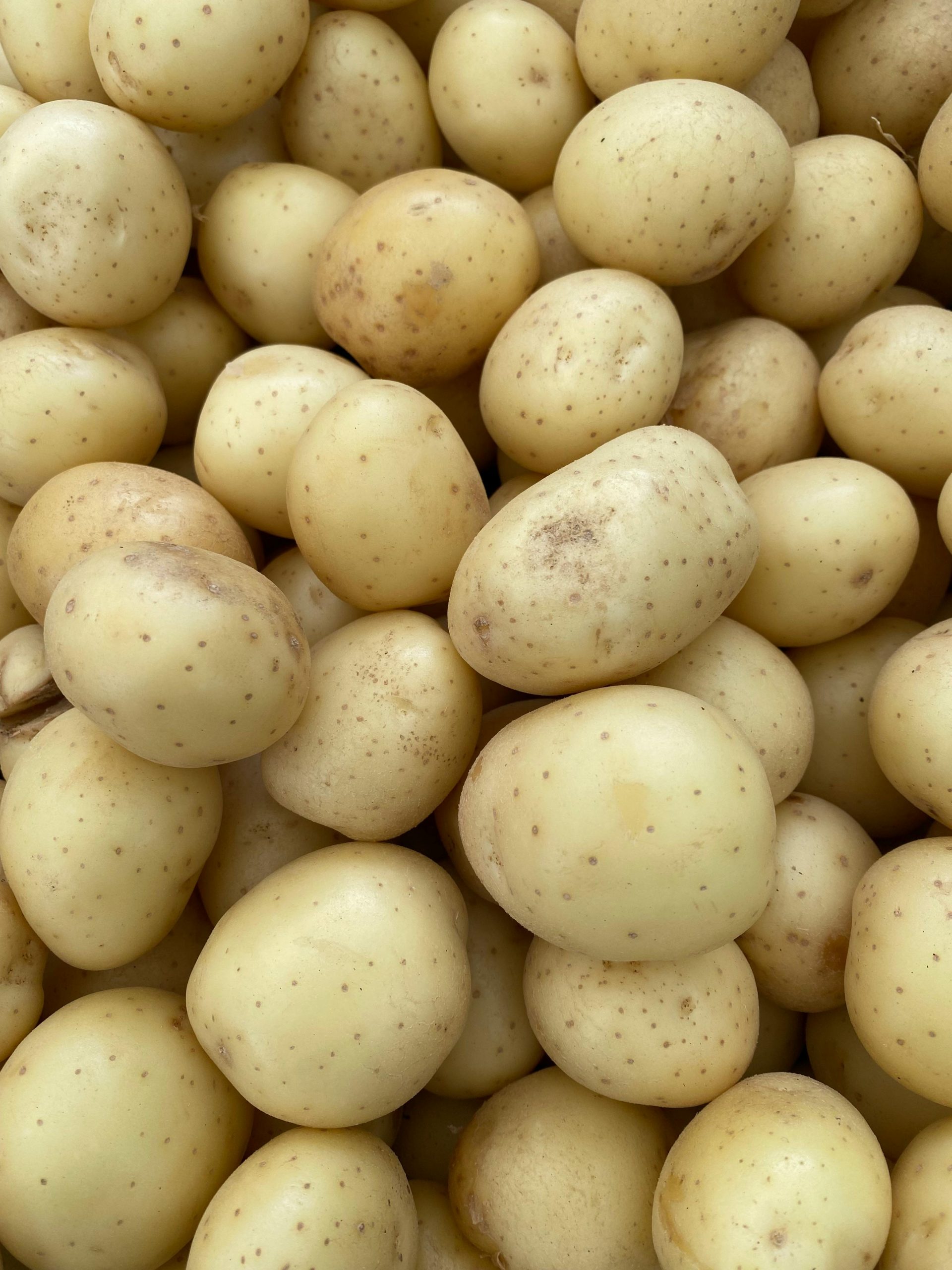
To answer the question, what are Agria potatoes, you need to look beyond appearance. Agria is a high-starch, floury potato known for its deep yellow flesh, low sugar levels, and reliable performance in high-heat cooking.
These potatoes are usually medium to large, oval in shape, with pale golden skin and a rich yellow interior. Their dry matter level, which is typically between 18 and 22%, helps create the balance every good chip needs: a crisp outer layer with a soft, fluffy centre.
Unlike waxier varieties, Agria softens just enough during frying to create a lighter texture and airy bite, exactly what customers expect from quality chips.
Where Do Agria Potatoes Come From?
Agria was originally developed in Germany through breeding programmes focused on yield, disease resistance and processing performance. It’s now widely grown across Europe, particularly in temperate regions suited to potato production.
Today, Agria potatoes in the UK are increasingly sourced through specialist suppliers who understand the demands of professional frying. Their consistency can be particularly valuable during periods when other varieties become more unpredictable.
Agria Potatoes vs. Maris Piper: What’s the Difference?
When discussing Agria potatoes vs Maris Piper, it’s less about which is better and more about how they perform.
Maris Piper remains a dependable mainstay within the fish and chip industry, known for its reliable structure and texture. Agria, however, offers a slightly richer colour, fuller flavour and often a smoother interior finish.
Both varieties can produce excellent chips in the right hands. However, while Maris Piper can occasionally become drier depending on season and storage conditions, Agria is often praised for maintaining a more consistent fry throughout the year.
Why Are Agria Potatoes Good for Frying?
What are Agria potatoes good for? Frying is where they really come into their own.
Their naturally high starch content helps create the fluffy centre customers look for, while low sugar levels reduce the risk of premature browning during frying, particularly important when operating at higher temperatures. Agria also benefits from relatively low moisture content. Less water means quicker crust development, improved texture and reduced oil absorption.
That’s why Agria potatoes perform so well in busy commercial frying environments, delivering reliable colour, texture and consistency throughout service.
How to Get the Best Results When Frying Agria Potatoes
Even the right potato still needs the right preparation.
To guarantee even cooking, start with consistent cutting sizes. Washing chips thoroughly helps remove excess surface starch and prevents clumping.
Many operators also find soaking chips in cold water can help improve colour and overall finish. Temperature control is equally important, with around 180°C generally providing the ideal balance between a crisp exterior and a properly cooked centre.
Double cooking remains one of the most effective methods; a lower-temperature first fry to cook through, followed by a hotter second fry to achieve the perfect finish. The quality of the frying oil also plays a major role. A stable frying medium helps maintain temperature, consistency and flavour throughout service.
For more guidance on preparation techniques, explore Frymax’s guide to chip preparation tips.
Storage and Handling Tips for Agria Potatoes
Storage conditions can have a direct impact on frying performance.
Agria potatoes should ideally be stored in a cool, dark, well-ventilated area between 7°C and 10°C. Temperatures that are too cold can cause starch to convert into sugar, leading to darker frying colours. Temperatures that are too warm can shorten shelf life and encourage spoilage. Light exposure should also be avoided, as it can lead to greening and affect quality.
Seasonal variation remains important too, as sugar levels can naturally fluctuate throughout the year. Preparation methods may need slight adjustments depending on the season, as explained in Frymax’s guide to new season potatoes. Here, Frymax offers more thorough storage tips for prolonging the shelf life of potatoes.
A Reliable Choice for Consistent Quality
Consistency is everything in this trade, and Agria potatoes continue to prove themselves as a reliable option for operators wanting greater control over their finished product. Their frying performance, starch content and low sugar levels make them particularly well suited to busy fish and chip shops where consistency matters.
While Maris Piper remains a trusted staple, Agria shows there’s more than one route to producing a great chip.
There’s more than one route to a great chip, and Agria is making a strong case for itself.
Pairing your Agria potato with a quality frying oil is equally important; explore Frymax’s cooking oils to find a stable medium that delivers consistent results.