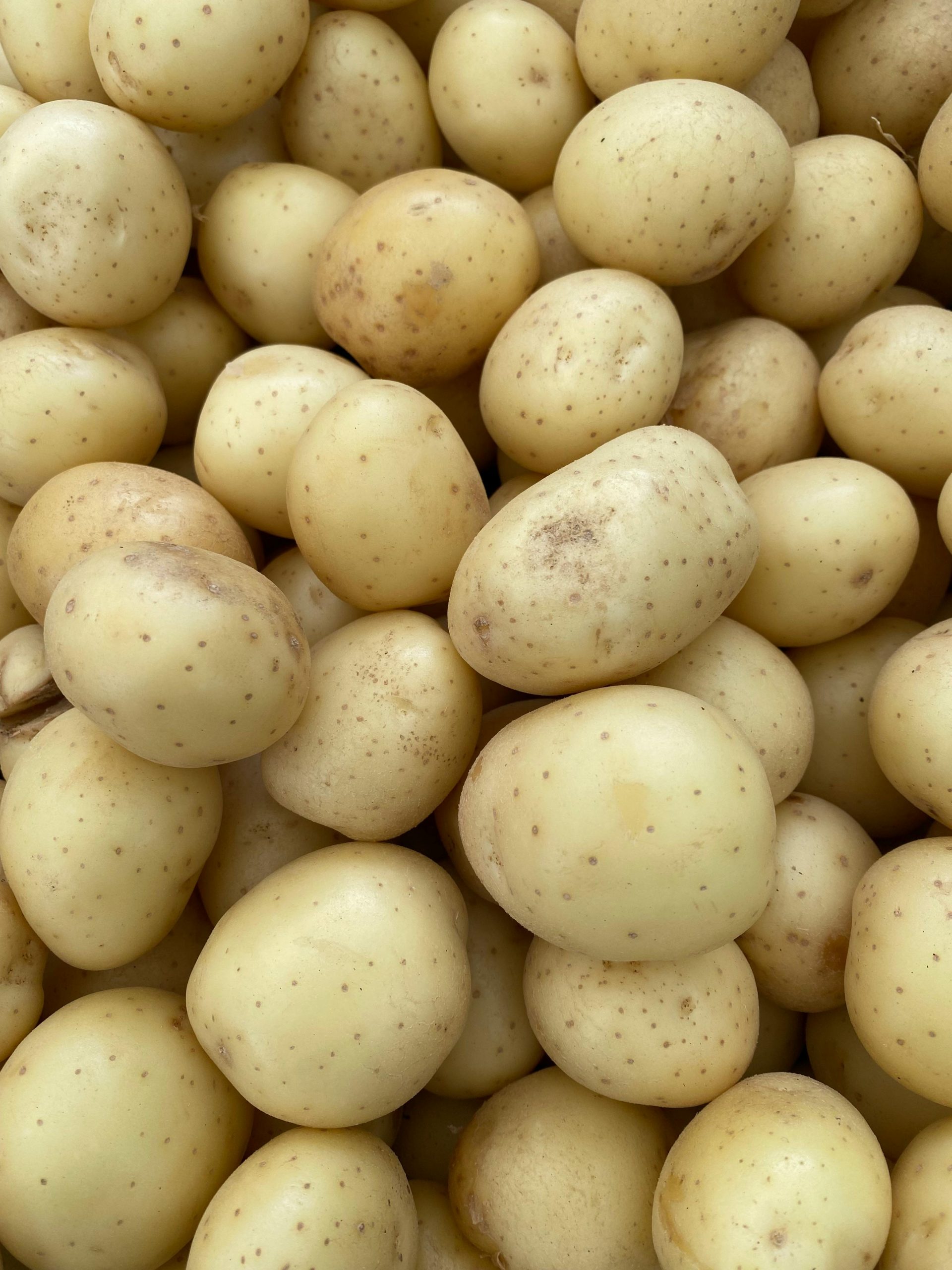
There are certain moments in the fish and chip trade that are always eagerly anticipated. The arrival of the new potato crop is one of them. After months of working with stored potatoes, the first fresh deliveries begin to arrive. The sacks look different; the potatoes feel different. The peel is finer, the aroma is fresher and, before long, the chips on the plate begin to change too.
So when is new potato season? UK-grown new potatoes typically begin appearing during spring, with the season continuing into summer. That makes this an important period for fish and chip shops to pay closer attention to their potatoes, preparation and frying routines.
It’s the same menu, the same fryer and the same care and attention – but suddenly there’s a fresh energy in the kitchen. A change in crop means a change in the raw ingredient, and good fryers know that sometimes the process needs to change with it.
What Makes the New Potato Season Different?
Every new season brings its own character. Different growing conditions, different varieties and different challenges all influence how potatoes behave. Some fry a little quicker, some colour more readily, while others need a little more patience to reveal their full potential.
The move from stored potatoes to a freshly harvested crop isn’t simply a change of supply. New potatoes haven’t spent months maturing in storage, so their sugar, starch, moisture and dry matter levels can behave differently.
This natural variation is part of working with potatoes. They aren’t manufactured to a fixed specification, and two batches of the same variety won’t necessarily behave identically in the fryer.
Variety matters too. Maris Piper has long been a favourite in the fish and chip trade thanks to its high starch content, relatively low moisture and ability to produce that familiar combination of a crisp outside and fluffy middle. Agria potatoes are another strong frying option, offering high starch levels, low sugars and a rich yellow flesh. Knowing what you’re receiving and talking regularly to your potato supplier gives you a useful head start when a new crop arrives.
That’s the beauty of working with a natural product.
Unlike a factory production line, fish and chips can never simply be put on autopilot. Every crop is different, every season teaches us something new and every delivery asks us to adapt. It’s one of the reasons our trade remains as rewarding today as it has ever been.
How New-Season Potatoes Affect Your Chips
Ask when new potatoes come into season and the calendar only tells part of the story. For a fryer, the more important question is: how is this particular crop behaving?
New-season potatoes can contain higher levels of reducing sugars and have a different starch profile from mature, stored potatoes. Those sugars encourage browning, which means a chip can develop colour quickly even though the inside may still need more cooking.
Dry matter matters as well. It influences how potatoes cook, their finished texture and the balance between a crisp exterior and fluffy centre. Growing conditions, rainfall, variety, storage and maturity can all influence the potato that eventually reaches your prep room.
That is why the first few batches deserve extra attention. Are the chips colouring faster? Is the texture different? Are they taking more or less time to cook? Small observations can tell you far more than simply relying on the settings that worked with the previous crop.
Higher levels of free starch and sugars can also put additional strain on your frying medium. Loose starch, crumbs and sugars left in the fryer can accelerate oil deterioration, contributing to darker oil, off-flavours and inconsistent results.
The Best Fish Fryers Don’t Simply Cook Potatoes. They Understand Them.
Sometimes the difference between a good chip and a truly memorable one is no more than a small adjustment to your blanching time, a slight tweak to your finishing fry or paying that little bit more attention to your oil management. Tiny changes behind the scenes create the consistency customers remember.
For a more detailed look at managing the transition, see Frymax’s guide to new season potatoes.
Adapting Your Frying Process for the New Season
During the new potato season, that might mean making several small adjustments rather than completely changing a proven process.
Start with preparation. Cutting chips consistently encourages even cooking, while washing away loose surface starch can reduce clumping and help produce a cleaner finish. With new-crop potatoes, soaking chips in cold water can also help remove excess starch and sugars. Frymax recommends soaking for around 15 minutes during the transition, with products such as Drywite All Seasons offering further help with removing excess starch and sugars.
Your blanching and finishing temperatures may need attention too. A blanch at around 140°C can cook the chip through before a hotter finishing fry develops its crisp exterior. Don’t be afraid to make small changes to timings when the crop tells you they’re needed.
It can also be useful to test reducing sugar levels during the transition. Frymax recommends aiming for no more than 0.25% when using Diastix glucose test strips. Keeping a simple note of how individual deliveries and varieties perform can help you spot patterns rather than relying on guesswork.
Storage is another part of the equation. Whole frying potatoes are best kept somewhere cool but not cold, ideally around 7–10°C, as well as dark, dry and well ventilated. Storing potatoes too cold can encourage starch to convert into sugar, which may result in darker chips. Light exposure can cause greening, while excessive warmth can shorten storage life. Our guide to storing potatoes correctly covers the practical steps in more detail.
Give Your Frying Oil Some Extra Attention
The new potato season is also a timely reminder to refresh more than just your ingredients.
Review your frying routines. Check your filtration. Make sure your oil is performing at its very best.
Skim the fryer between batches to remove crumbs and debris. Filter your oil regularly – daily as a baseline and more frequently when conditions demand it – and keep an eye on frying temperature and oil condition throughout service.
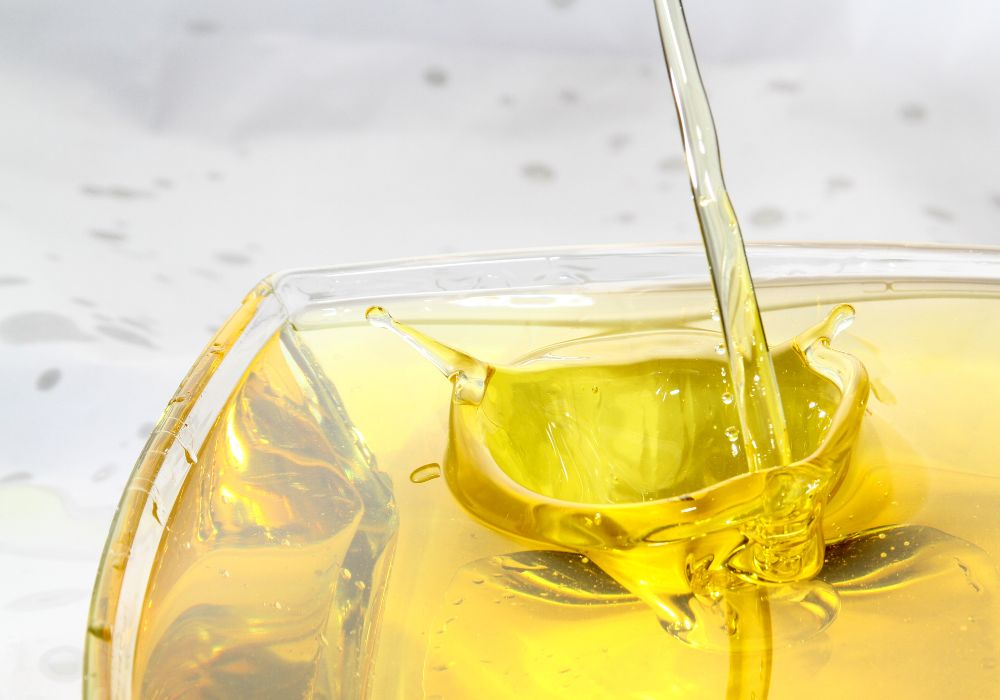
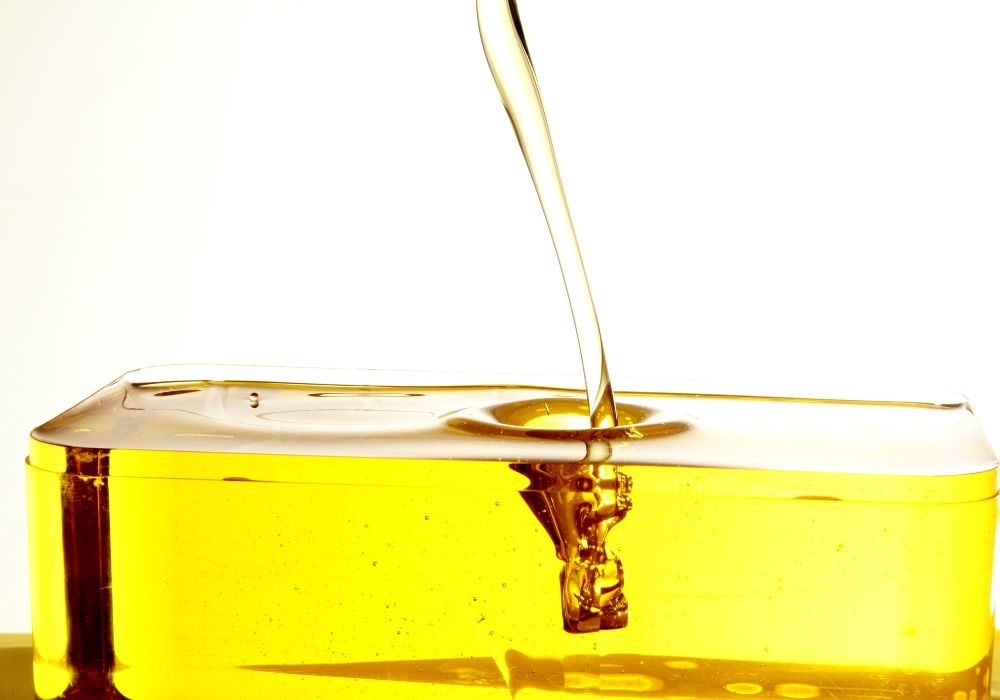
A stable frying medium matters because your oil is being asked to perform consistently even when the raw ingredient changes. Frymax is made for the demands of professional deep frying, helping fryers achieve the crisp, golden results customers expect while offering the stability needed through busy services. Explore the full range of Frymax cooking oils to find out more.
Speak to your potato supplier and share observations with your team. If one person notices that a batch is colouring unusually quickly or taking longer to cook, make sure everyone knows. Those little conversations around the fryer can lead to some of the biggest improvements in consistency.
Making the Most of the New Potato Season
A new crop doesn’t have to be something to worry about. It is simply another part of the craft.
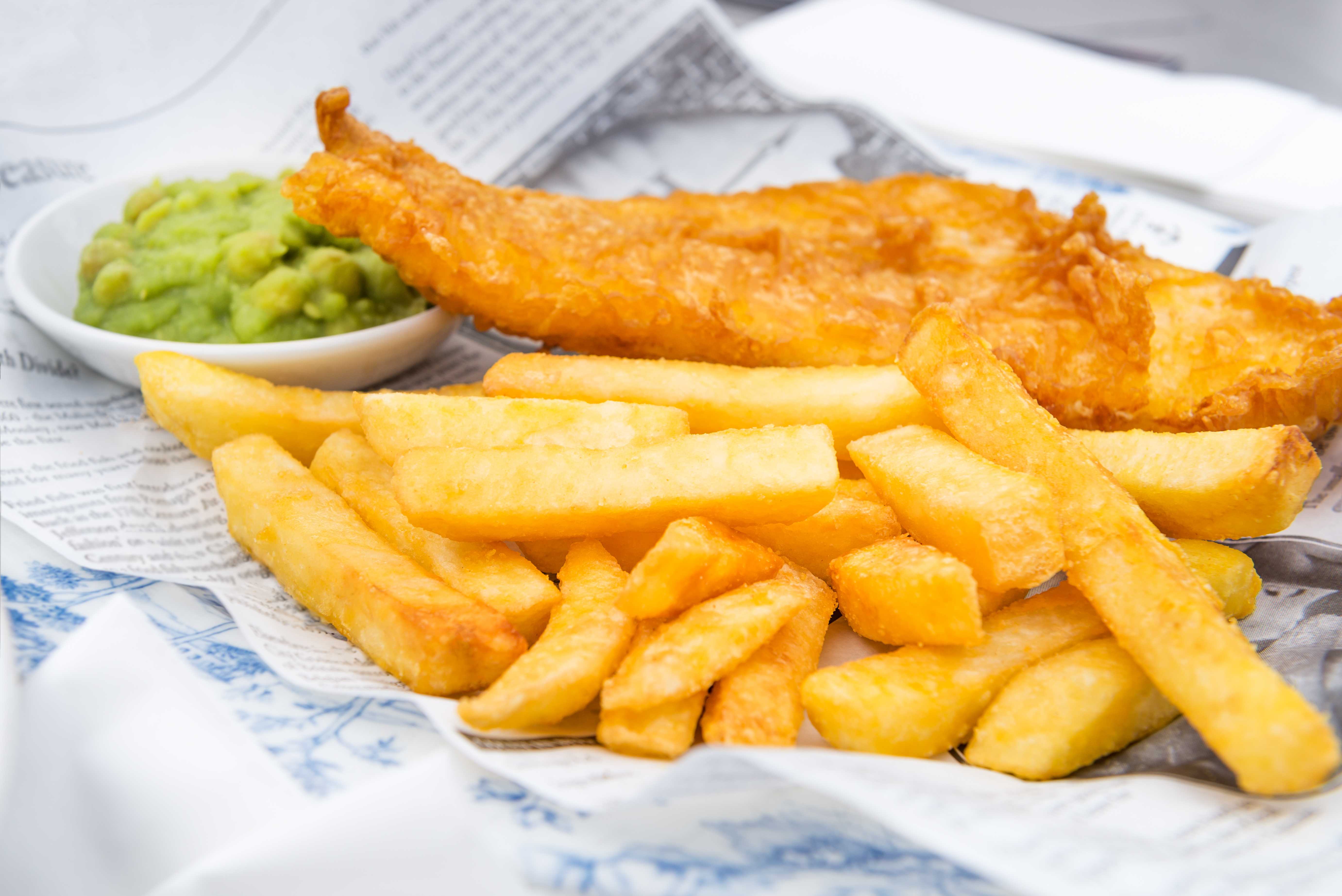
Our customers may never know whether today’s potatoes came from Lancashire, Yorkshire or Lincolnshire. They won’t ask about dry matter, reducing sugars or fry colour. What they will notice is a tray of beautifully crisp, golden chips that taste every bit as good as they look.
And that’s what they’re really paying for.
That consistency doesn’t come from treating every potato in exactly the same way. It comes from understanding that potatoes change and knowing when your process needs to change with them.
The first new UK potato crops begin arriving during spring, but for professional fryers, the more useful answer is to stay in touch with your supplier and pay close attention when the change reaches your shop.
New crop, new growing conditions and perhaps even a new variety can all bring subtle differences. Check your potatoes. Review your blanching and finishing fry. Keep your filtration routine sharp. Look after your oil. And make sure everyone behind the range knows what to look for.
At Frymax, we know that consistency isn’t about treating every potato the same. It’s about understanding that every potato is different, and having the knowledge, experience and quality frying medium to bring out the very best in every crop.
So, here’s to the new season. To fresh harvests. To subtle adjustments. To continuously learning our craft. And to serving the kind of chips that keep customers coming back, season after season.
Because while the potatoes may change, our commitment to quality never should.