Scampi has earned its place on fish and chip shop menus across Britain. Its naturally sweet, delicate flavour, paired with a crisp golden coating, makes it a popular alternative to traditional fish. Whether served in a busy takeaway or enjoyed at home, perfectly cooked scampi should deliver a satisfying crunch on the outside while remaining tender, juicy and full of flavour inside.
Whether you’re a professional fryer looking to enhance your menu or a home cook recreating a classic seaside favourite, this guide covers everything you need to know, from preparation and cooking times to serving suggestions and expert frying tips.
Why Battered Scampi Is A Must-Have On Your Menu
Scampi continues to be a menu favourite because it appeals to a wide range of customers. It’s quick to cook, offers a lighter seafood option than traditional fish, and pairs perfectly with traditional chip shop favourites. Whether served as a meal, a children’s option or a sharing side, it’s a versatile product that customers return for time and time again.
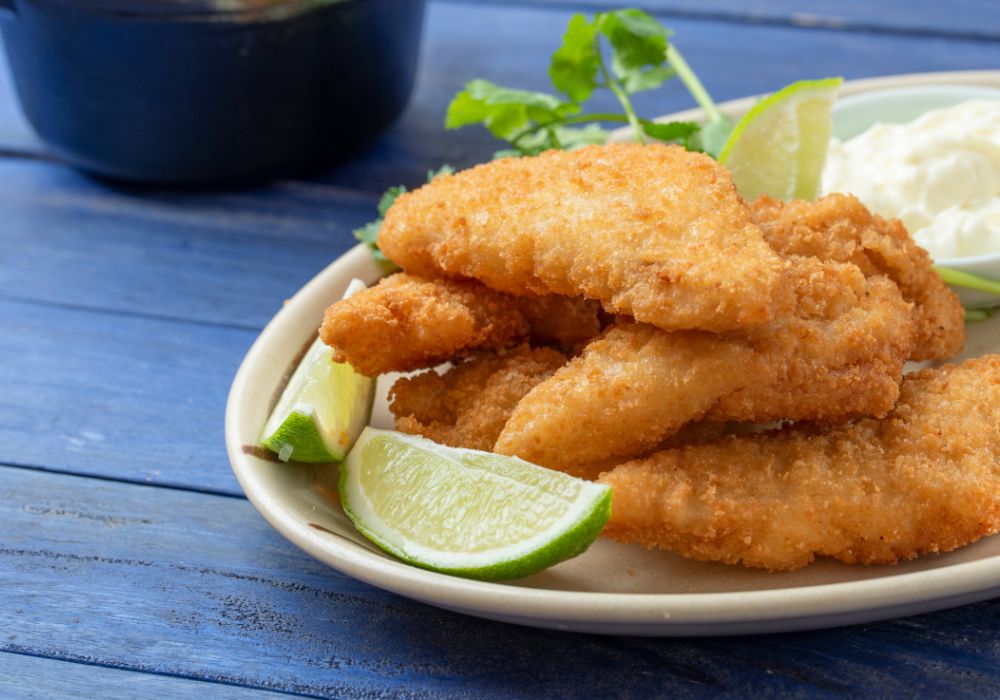
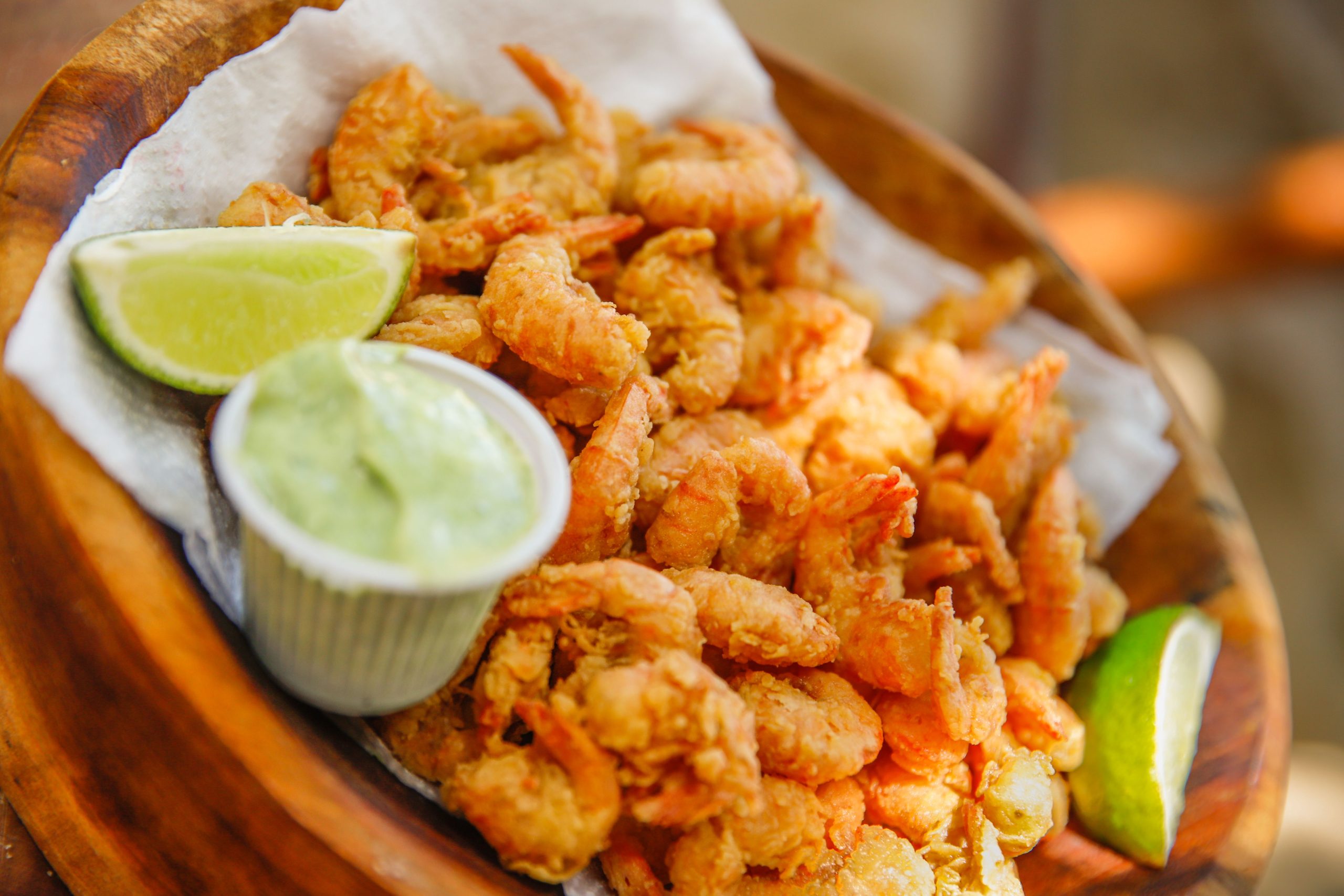
Perfect battered scampi should deliver:
- A crisp, evenly golden coating
- Tender, succulent langoustine or prawn inside
- A light, crunchy texture that complements rather than overpowers the seafood
- A clean, fresh flavour without excess oil
For fish and chip shops, consistency is just as important as taste. Using a high-quality frying oil that remains stable throughout service helps achieve excellent colour, texture and flavour with every batch. For more inspiration on popular fried foods, check out Frymax’s fried favourites.
The Ultimate Deep-Fried Scampi Recipe
This traditional deep-fried scampi recipe delivers delicious results and is simple enough for home cooks while reflecting the methods used in many British fish and chip shops.
Ingredients
- 12 langoustine tails (or large king prawns)
- 75g plain flour
- 2 free-range eggs, beaten
- 150g fresh breadcrumbs or panko breadcrumbs
- Frymax frying oil
- Sea salt
- Lemon wedges
Method
- Heat your Frymax oil to 180°C. Using a thermometer is the most accurate way to ensure the oil reaches the ideal frying temperature.
- Pat the langoustines dry before coating. Removing excess moisture helps the coating adhere evenly.
- Place the flour, beaten eggs and breadcrumbs into three separate bowls.
- Coat each langoustine first in flour, then egg, and finally breadcrumbs, ensuring every piece is evenly covered.
- Carefully lower a small batch into the hot oil using a fryer basket or slotted spoon.
- Most scampi will cook in just 1–2 minutes, turning beautifully crisp and golden while the seafood remains tender and succulent.
- Remove immediately, drain on a wire rack or kitchen paper and season lightly with sea salt. Serve immediately while piping hot for the very best flavour and texture.
Avoid overcrowding the fryer, as this lowers the oil temperature and prevents the coating from becoming perfectly crisp. If you’re unsure whether your oil is ready, Frymax’s guide to checking frying oil temperature explains several simple methods.
Tips For A Crispy, Light Batter For Scampi
Breadcrumbs remain the traditional choice in many fish and chip shops, while others prefer a light batter for a slightly different finish. Whichever coating you choose, a few simple techniques will make all the difference.
Start With Dry Seafood
Pat the scampi dry before coating. Any moisture on the surface will prevent the flour or batter from sticking properly.
Keep Oil At The Correct Temperature
Aim to keep your oil at around 180°C throughout cooking. Oil that’s too cool produces greasy scampi, while oil that’s too hot can brown the coating before the seafood has cooked through.
Fry In Small Quantities
Cooking only a few pieces at a time allows the oil temperature to recover quickly between batches, producing consistently crisp results.
Drain Properly
Drain the scampi immediately after frying, ideally on a wire rack. This allows excess oil to drain away while preventing steam from softening the coating.
Use Fresh Coating Ingredients
Fresh breadcrumbs or quality panko create a lighter, crispier texture, while fresh flour helps the coating adhere more evenly.
How to Keep Scampi Crispy After Frying
One of the biggest challenges is keeping freshly cooked scampi crisp until it reaches the customer or dining table.
Avoid trapping steam by allowing the scampi to rest briefly on a wire rack before serving or packaging. If cooking larger batches, keep them warm in a low oven (around 90–100°C) and avoid holding them for longer than necessary.
For takeaway orders, vented packaging helps reduce condensation, keeping the coating crisp for longer. Regularly skimming crumbs from the fryer also helps keep the oil cleaner, preventing burnt particles from affecting later batches and maintaining consistently high-quality results throughout service.
What Is the Best Batter or Breadcrumb Coating for Scampi?
There isn’t a single right answer—both breadcrumb-coated and battered scampi have earned their place on fish and chip shop menus.
Bread Crumbs
Traditional breadcrumbs provide excellent crunch, an attractive golden colour, quick cooking times and a light, crisp texture. Panko breadcrumbs have a larger crumb structure, producing an even crispier finish.
Light Batter
A light, crisp batter allows the delicate seafood flavour to shine through without overwhelming it. Avoid thick, heavy batters that mask the flavour and texture of the langoustines. Whichever coating you choose, fry immediately after preparation for the very best results.
The quality of the frying oil is equally important. A stable frying oil promotes even browning, cleaner flavour and longer oil life. Frymax’s guide to choosing the best oil for deep frying explains more.
What to Serve With Scampi in a Fish and Chip Shop Meal
When it comes to serving battered scampi, the classics remain popular for good reason.
Traditional accompaniments include:
- Freshly cooked chips
- Homemade tartare sauce
- Lemon wedges
- Mushy peas
- Garden peas
- Curry sauce
- Bread and butter
- Pickled onions or gherkins
For customers looking for a lighter option, a fresh side salad complements the richness of fried food perfectly. Whether served in a basket with chunky chips or as part of a traditional fish and chip meal, scampi continues to evoke the nostalgic appeal of the British seaside.
Fry Better With Frymax
Outstanding scampi starts with quality seafood and careful preparation, but consistently excellent results also depend on the frying oil you use.
Frymax is specially developed for professional frying, delivering exceptional stability, a clean flavour and consistently crisp, golden results throughout even the busiest service periods.
Whether you’re frying seafood, fish, chips or other menu favourites, Frymax helps maintain quality from the first basket of the day to the last. To discover more about the Frymax range, contact us today.
Frequently Asked Questions About Scampi
How many calories are in battered scampi?
The calorie content depends on the portion size, coating and frying method. Smaller portions naturally contain fewer calories, while thicker coatings and larger servings increase the overall energy content. The type of oil used and how well the scampi is drained after frying also influence the final calorie count.
Can I use frozen scampi?
Yes. Allow frozen scampi to thaw completely before coating. Pat it dry thoroughly to remove excess moisture before frying.
Should I use breadcrumbs or panko?
Both produce excellent results. Traditional breadcrumbs provide a classic finish, while panko creates an extra-light, crispy texture.
Can I reuse the frying oil?
Yes. When filtered and properly maintained, quality frying oil can be reused. Regularly remove food debris, avoid overheating the oil, and replace it when it becomes excessively dark or its performance begins to decline. Always follow good deep-fat fryer safety practices when heating, filtering, storing and disposing of frying oil.