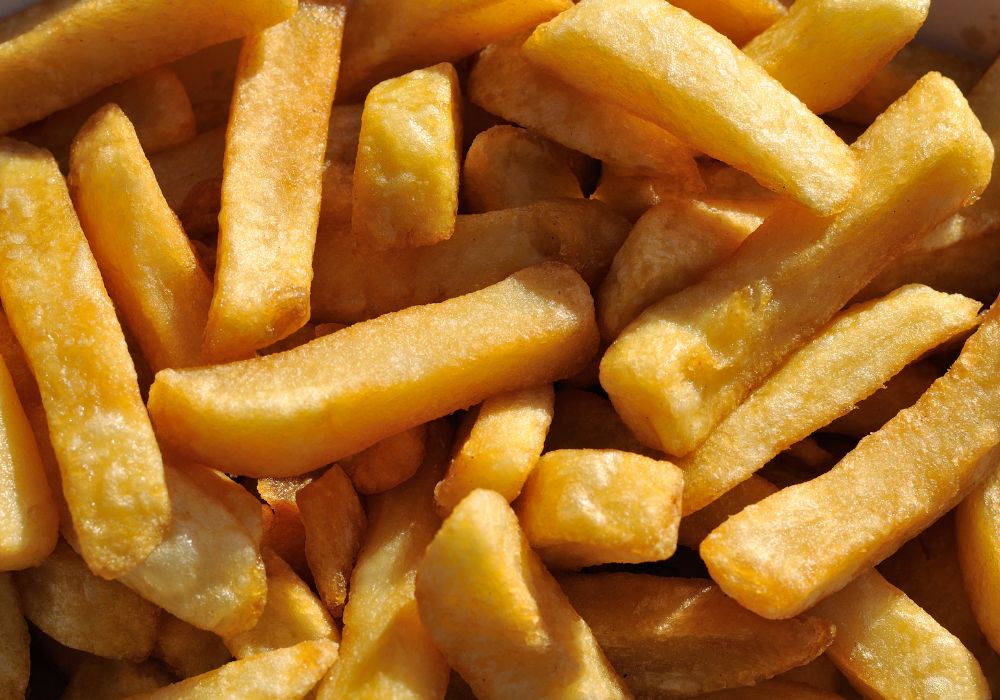
Ask people what goes into a proper portion of fish and chips, and the names that crop up time and time again are cod and haddock. Both have been a staple of British fish and chip shops for generations, and both work particularly well under a crisp layer of batter. But they are not completely interchangeable.
The cod versus haddock debate is partly down to personal taste, but there are practical differences for fish and chip shop operators too. Fillet size, texture, flavour, availability, sourcing and price can all influence what works best for a particular menu. So rather than an outright winner in the fish category, it’s worth considering what each brings to the fryer.
What Is the Difference Between Cod and Haddock Fish?
Although cod and haddock belong to the same fish family, there are several ways to distinguish them before they reach the fryer. One obvious difference between cod and haddock fish is their appearance. Cod generally have a pale or whitish lateral line running along the body, while haddock have a darker line. Haddock are also known for the distinctive dark mark above the pectoral fin, sometimes described as a thumbprint.
Cod tend to be larger and produce thicker, fuller fillets. Their flesh is firm and separates into substantial flakes when cooked. Haddock fillets are generally thinner, with a finer and slightly more delicate texture.
Those characteristics matter in a working fish and chip shop. A thicker fillet may require slightly different handling and frying times from a thinner portion, particularly when maintaining consistency through a busy service.
Both remain traditional choices, however, and there is no need for operators to restrict themselves to these two species either. Our guide to the best fish for fish and chips looks at some of the other options available to fryers, and for a closer comparison it’s worth weighing up hake vs cod.
Haddock vs Cod Taste: Flavour Profiles and Flake Textures
The cod vs haddock taste comparison is not as dramatic as most people think. Cod is generally valued for its clean, mild flavour. Its flesh is moist and fairly firm and breaks into large flakes that offer a substantial bite under the batter. That mildness also makes cod an easy choice for customers not wanting an especially pronounced fish flavour.
Haddock tends to be a bit more flavourful. It has a slightly sweeter and more distinct flavour, and the finer flakes make it a softer texture. Because haddock fillets are often thinner, they also tend to cook fairly quickly.
Neither characteristic makes one fish better than another. In fact, the choice can be quite subjective, as regional habits show. Traditionally, haddock has been especially popular in Scotland and parts of northern England, and cod is more common elsewhere. So in the case of a fish and chip shop, knowing what the locals expect can be just as important as knowing the culinary differences.
What Does Haddock Taste Like Compared to Cod?
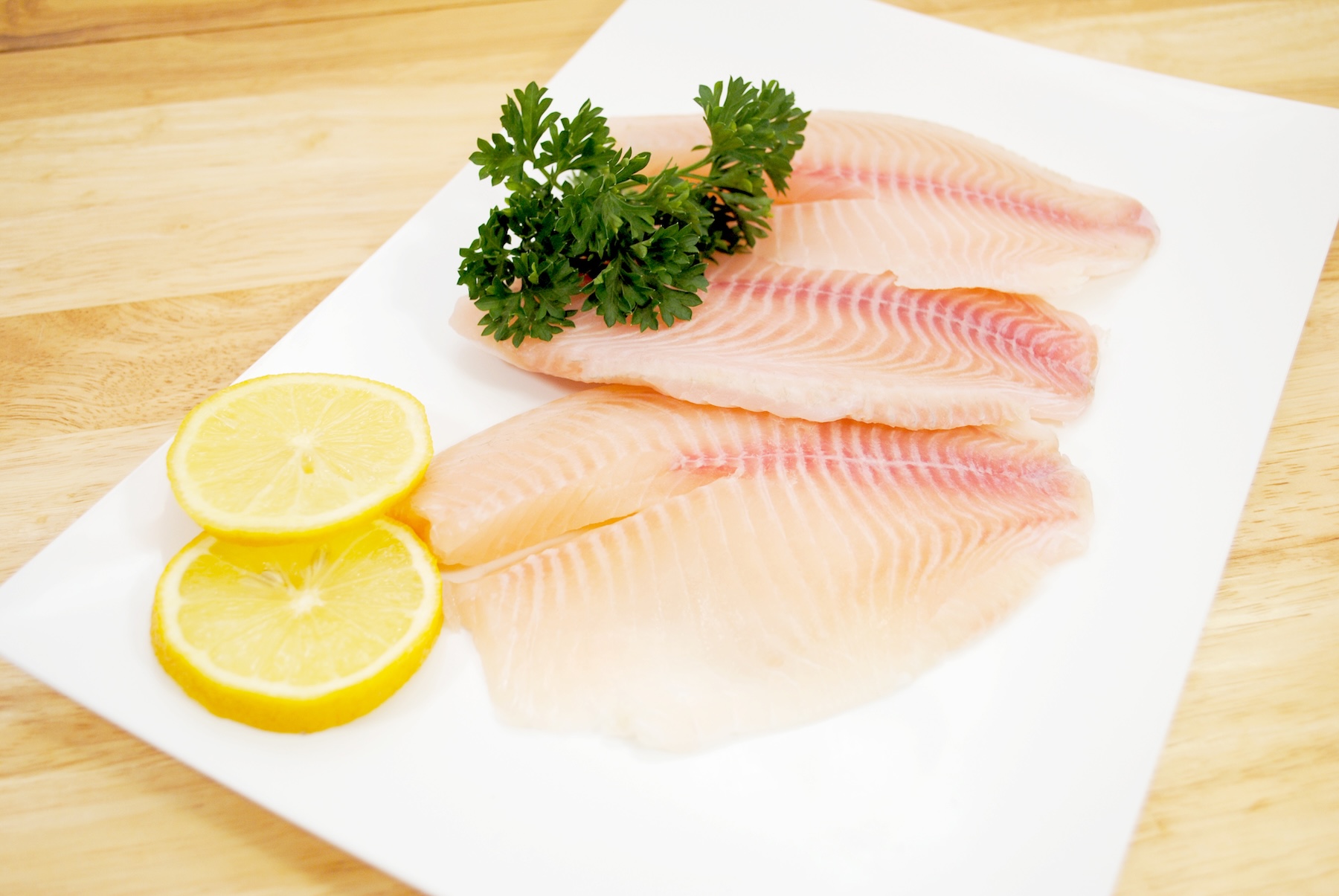
The taste of haddock for customers who are wondering what haddock tastes like is mild but a little more pronounced than cod. It is still a delicate white fish, rather than something strongly fishy. It has a slightly sweeter flavour and finer texture, which can make it particularly desirable when freshly fried in crisp batter. Cod, however, tends to give a cleaner flavour and firmer, meatier bite.
And then there’s the ratio of batter to fish. Thick cuts of cod can result in a large centre portion with a batter coating, while a thin haddock fillet can yield a different ratio of crisp coating to flaky fish.
That is one reason there is no one correct answer. Customers often have a preference based on the fish and chips they grew up with, and that preference can be surprisingly strong.
The Cost of Haddock and Cod for Fish Shops
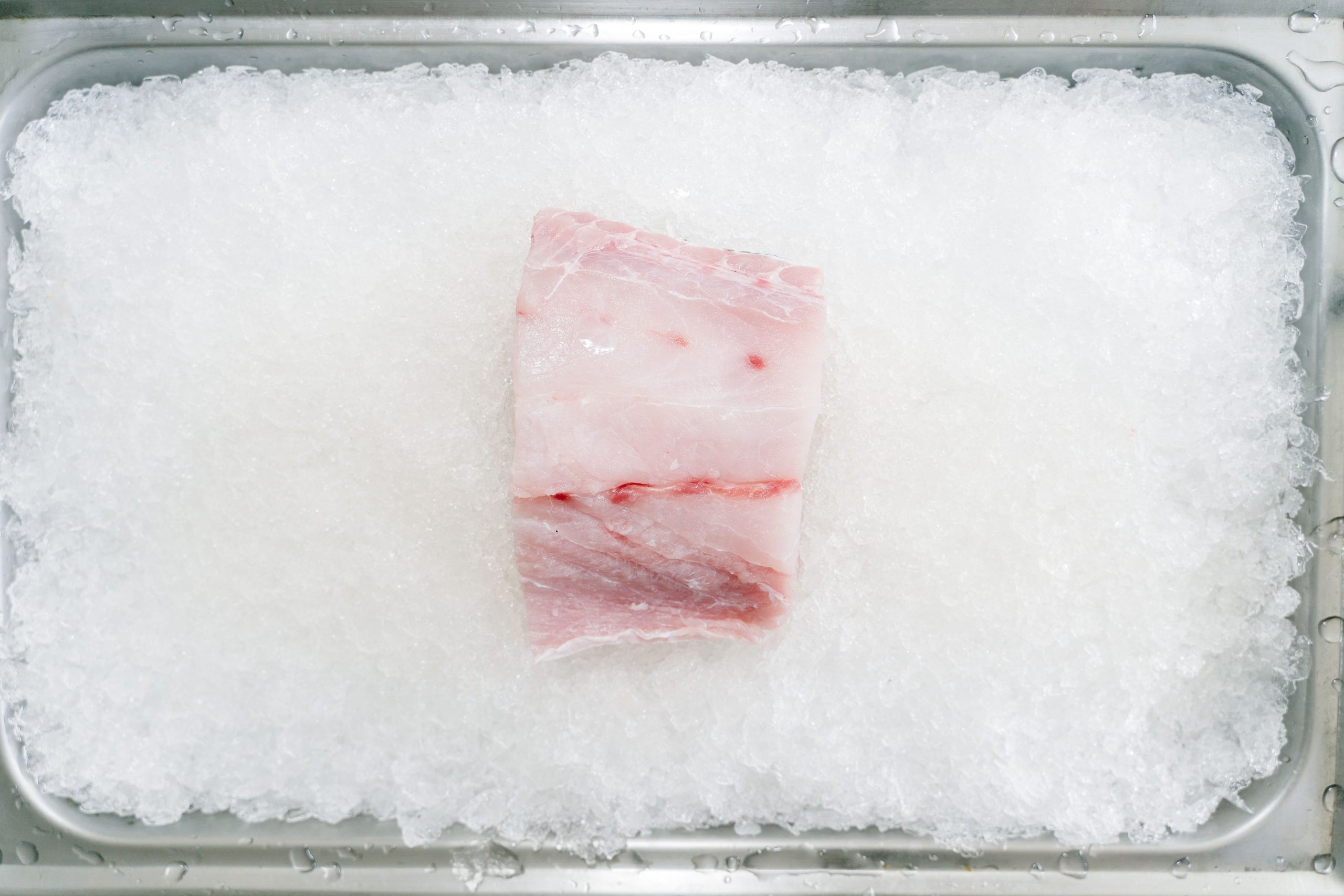
Taste is important, but operators have another consideration that customers do not always see: purchasing price. The cost of haddock, like cod, can move over time according to supply, demand, catch availability, sourcing, and wider market conditions. That makes it difficult to say that either species will always be the cheaper option.
Rather than choosing purely according to the price of a case on a particular day, operators need to consider portion size, yield, selling price and customer demand. A slightly more expensive fish may still make commercial sense if it is what regular customers expect and are willing to pay for.
This is where thoughtful menu management becomes valuable. Portioning, pricing and the overall balance of the menu all contribute to protecting margins without compromising the meal customers receive.
Quality itself matters commercially, too. Customers do not judge a portion solely by its price. Freshness, crisp batter, well-cooked chips, consistent portions and good service all shape whether a meal feels worth paying for. Frymax explores this further in our guide to why customers pay for quality fish and chips.
Cod or Haddock for Fish and Chips: Which Is Better for High-Volume Frying?
For a busy shop deciding between cod or haddock for fish and chips, consistency is just as important as flavour. Cod’s thicker, firmer fillets can be robust to handle and produce the substantial flakes many customers associate with traditional fish and chips. Haddock’s thinner fillets and more delicate texture can cook quickly and produce an equally satisfying result, but operators still need to adjust their frying process to the portion in front of them.
During high-volume service, the best fish is ultimately the one a shop can source reliably, portion consistently, and fry well while meeting customer expectations.

So, cod or haddock which is better? For most fish and chip shops, the answer depends on the business. Some operators may even find that offering both is worthwhile when there is enough local demand.
Whatever goes on the menu, responsible sourcing should remain part of the decision. Sustainability can vary between individual fisheries and stocks, so operators should consider where their fish comes from rather than assuming that either cod or haddock is automatically the more sustainable species.
The Importance of Good Frying Oil When Cooking Haddock
Choosing a good fillet is only half the job. Whether you are frying haddock or cod, the frying medium has a major part to play in producing the crisp, consistent finish customers expect. Frymax is a 100% natural, sustainable palm oil developed for deep frying. It contains no additives, allergens, GM ingredients, or hydrogenated oil and has been used by generations of professional fryers.
Its neutral characteristics allow the flavour of the fish to remain the focus of the finished portion, while its frying performance is designed for the demanding conditions of a professional fish and chip shop.
Good oil management matters as well. Maintaining suitable frying temperatures, filtering regularly and avoiding unnecessary contamination all help operators get more consistent results from both their fish and their oil. When a shop is serving hundreds of portions, those small disciplines quickly add up.
Operators can explore the Frymax product range to find out more about the frying oils available. Ultimately, there does not have to be a winner between haddock and cod. A good fish and chip shop understands its customers, chooses quality fish from appropriate sources and treats that fish properly from preparation through to the fryer.
Get those fundamentals right, and either can produce exactly what customers came through the door for: beautifully flaky fish inside crisp batter, served hot and fresh.
For more information about Frymax or help finding a distributor, contact the Frymax team.