Fish and chips will always have its classics, but sometimes it pays to give customers something a little different.
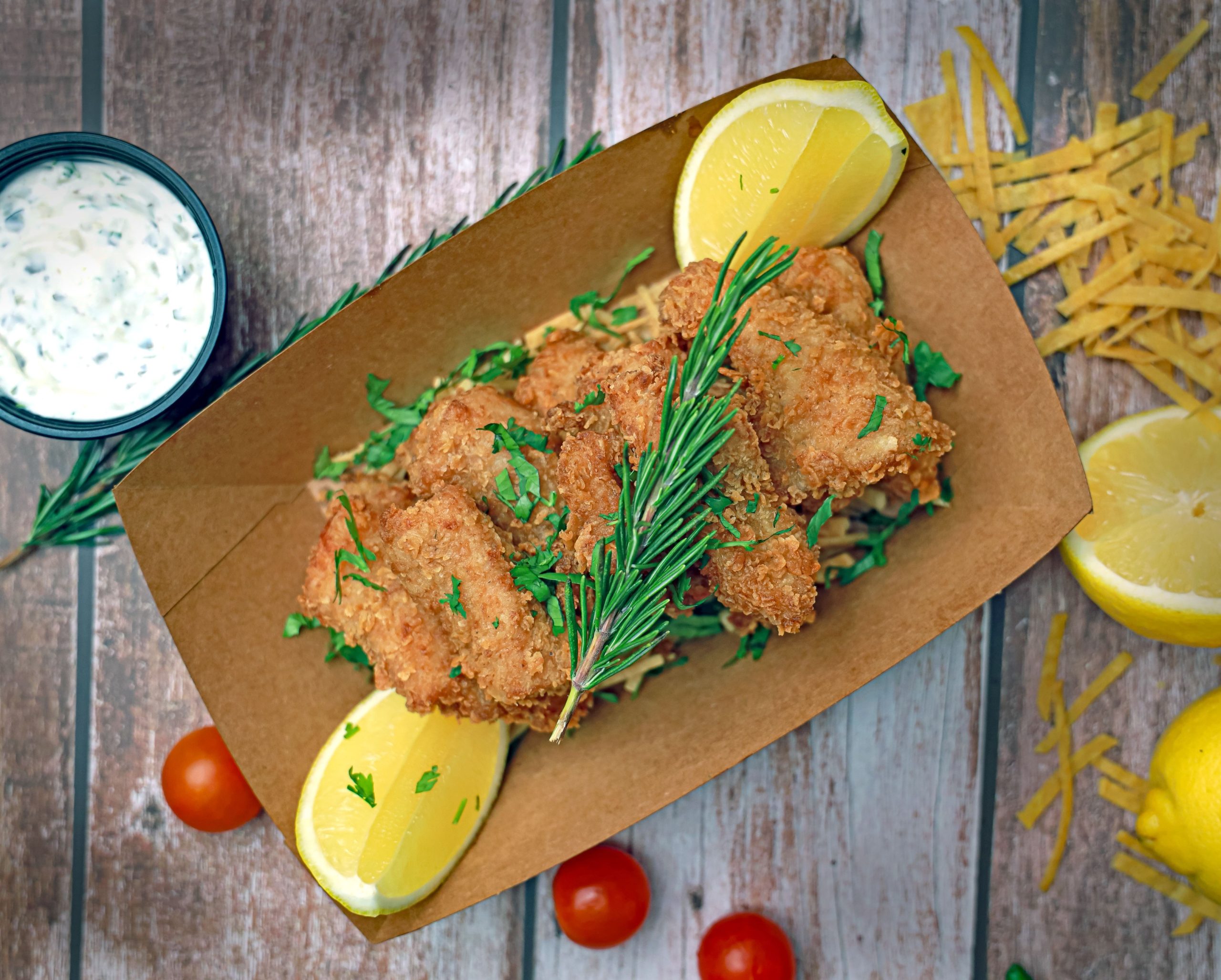
Monkfish is perfect for that. Firm, meaty and naturally succulent, it stands up brilliantly to frying. Cut into bite-sized pieces, coated in a light, crisp batter and served alongside freshly cooked skinny fries, it makes a fantastic premium alternative to traditional cod or haddock.
As with all good frying, the difference is in the detail. Dry fish, cold batter, the right frying temperature and well-managed Frymax all help deliver that perfect result crisp and golden on the outside, succulent in the middle.
It’s familiar enough to feel like fish and chips, but different enough to stand out on a specials board.
Preparing the Monkfish for Frying
Monkfish is quite different from the white fish traditionally used in British fish and chip shops. Its flesh is dense and firm rather than flaky, which makes it particularly well suited to cutting into smaller pieces and frying.
Start with a filleted monkfish tail. If your fishmonger hasn’t already done so, remove the tough outer membrane and central bone. Cut the flesh into evenly sized, bite-sized pieces so they cook at the same rate.
Pat the fish thoroughly dry before frying. Excess moisture can affect the coating and cause unnecessary spitting when the fish hits the hot oil. A light dusting of plain flour before battering will also help the batter grip the fish and stay in place during frying.
Crispy Monkfish Bites Recipe: Ingredients and Preparation
This simple monkfish bites recipe uses a light, crisp batter that complements the fish without overpowering it.
Ingredients
For the fish:
- 500g monkfish tail, skinned and trimmed
- Plain flour, for dusting
- 150g rice flour
- 1 tsp baking powder
- 1 tsp smoked paprika
- 1 egg yolk
- 150ml cold beer
- Salt and freshly ground black pepper
- Frymax, for deep frying
- Lemon wedges, to serve
For the skinny fries:
- 4 large frying potatoes
- Frymax, for deep frying
- Fine salt, to season
Method
- Combine the rice flour, baking powder, smoked paprika and seasoning.
- Add the egg yolk, followed gradually by the cold beer, whisking until smooth. Keep the batter chilled until you’re ready to fry. A cold batter hitting properly heated Frymax helps produce that light, crisp finish.
- Bring the Frymax to approximately 180°C.
- Lightly dust the monkfish pieces with plain flour, shaking off any excess, then coat each piece in batter.
- Carefully lower the monkfish into the fryer, taking care not to overcrowd it.
- Fry for around three minutes, depending on the size of the pieces, until the batter is crisp and golden and the monkfish is properly cooked through.
- Drain thoroughly and serve straight away.
The result should be beautifully crisp and golden on the outside, with firm, succulent monkfish inside.
How to Cut Skinny Fries Perfectly Every Time
Great fries start long before they reach the frying range. Potato variety, preparation, washing and drying can all make a noticeable difference to the finished product.
For skinny fries, choose a good frying variety such as Maris Piper, Agria or Markies.
Peel the potatoes if preferred, then cut them lengthways into even slices. Stack the slices and cut again into narrow batons. The important thing is consistency — aim to make every fry roughly the same thickness.
Skinny fries cook quickly, so uneven sizes can mean the thinner pieces become too dark before the thicker ones are ready.
Once cut, rinse thoroughly in cold water to remove excess surface starch. Continue until the water becomes noticeably clearer, then drain and, importantly, dry the fries thoroughly.
Don’t rush this stage. Excess water and hot frying oil are never a good combination, and moisture also works against the crisp finish you’re trying to achieve.
How to Make Skinny Fries That Stay Crisp
You don’t need lots of ingredients to make great skinny fries. Good potatoes, properly managed Frymax and a little salt are enough. The real difference comes from how you cook them.
Fry in manageable batches. Overloading the fryer causes the temperature to drop, which can leave you with fries that absorb more oil and lose that all-important crispness.
Cook until evenly golden, drain thoroughly and season while they’re still hot. You’re looking for a light crunch on the outside while keeping enough potato inside to make them satisfying.
In a commercial kitchen, consistency is everything. Follow the same preparation and frying routine from one batch to the next. Customers may never see the work that goes into it — but they’ll certainly notice the result.
Tips for Cooking Monkfish and Achieving Crispy Results
Monkfish’s firm flesh stands up particularly well to deep frying, but like any good piece of fish, you still need to treat it with care.
- Keep the pieces evenly sized and remove as much surface moisture as possible before flouring.
- Keep the batter cold and don’t leave battered fish sitting around before frying.
- Keep an eye on your frying temperature. Too low and the coating can become greasy; too high and the outside can colour before the centre is properly cooked.
- Fry little and often rather than overcrowding the fryer. Give the pieces room and allow the Frymax to recover between batches.
- Serve immediately. Fried food is always at its best straight from the fryer.
They may sound like small details, but it’s the little things that turn good fried food into great fried food — and keep customers coming back for it.
What to Serve with Fried Monkfish
Monkfish and hand-cut skinny fries make a great combination on their own, but there are plenty of ways to put your own stamp on the finished dish.
A squeeze of fresh lemon is an obvious starting point, while tartare sauce works particularly well if you want to keep those familiar fish and chip flavours.
You could also serve it with a smooth pea purée and lemon, traditional mushy peas or a zesty homemade sauce. A little acidity works particularly well with fried food, cutting through the richness without overpowering the fish.
The seasoning can also be adapted. Smoked paprika gives the batter a gentle warmth, while fresh herbs, black pepper or a touch of garlic can add another dimension without overcomplicating things.
For shops looking to introduce something different, monkfish offers an interesting premium option while still sitting comfortably alongside traditional fish and chip favourites.
Why Frymax Is Ideal for Monkfish and Fries
When you’re using quality fish and carefully prepared potatoes, the frying medium shouldn’t be an afterthought.
It plays a major part in the colour, flavour, texture and consistency of the finished food. Frymax is designed specifically for professional frying, providing dependable performance during busy services and helping fryers achieve the clean, crisp finish customers expect.
But even the best frying medium needs looking after. Regular filtration, good temperature control, skimming and topping up little and often all help keep Frymax performing at its best.
The principle is simple: start with good ingredients, look after your frying medium and give the food the care it deserves.
That becomes even more important when you’re selling something as a premium dish. Value isn’t simply about putting the biggest portion on the plate for the lowest possible price. Customers notice quality. They notice freshness, consistency, presentation and, ultimately, how good the food tastes.
Monkfish bites and freshly cut skinny fries give you something a little different without moving too far away from what fish and chips does best.
Prepare them carefully, fry them properly and serve them at their best — crisp, golden and straight from the fryer.
Sometimes, a small twist on a classic is all it takes to make a dish stand out.
And with Frymax in the pan, you’ve got the perfect foundation to do it.